
Asparagus tenuifolius
Asparagus tenuifolius
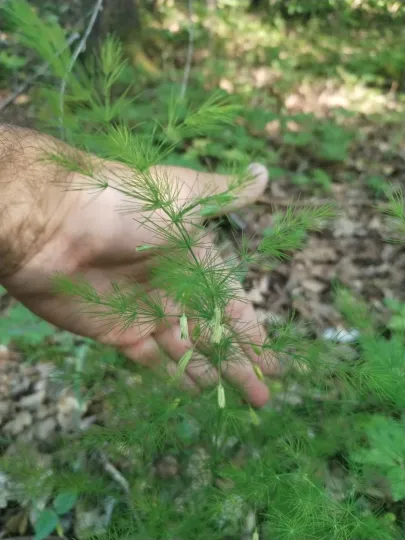
Description
Sowing dates
Sowing Asparagus tenuifolius is typically performed using seeds, which require stratification to achieve consistent germination rates. The process should begin in early spring once the soil temperature reaches a stable level of approximately 15 to 18 degrees Celsius.
For more predictable results, a nursery method is often preferred. Seeds are sown in seed trays or individual pots during late winter in a greenhouse, allowing for the transplanting of healthy, established seedlings into the open field once the frost risk has passed.
When planting, ensure a depth of approximately 2-3 centimeters to avoid burying the seeds too deep, which can impede emergence. Maintaining a row spacing of 60-80 centimeters is essential for long-term accessibility and optimal development of the root system.
Germination is notoriously slow, and success relies heavily on maintaining a consistently moist substrate during the first few weeks. Careful attention during this phase prevents the seeds from drying out or rotting, which is critical for the establishment of the young plants.
Selecting an ideal site is paramount for future success. A location with good drainage and exposure to full sun provides the necessary conditions for the plant to thrive. Soil preparation should include deep loosening and the addition of well-composted organic matter.
Growing requirements
Asparagus tenuifolius, a member of the Asparagaceae family, requires light, well-drained, sandy or loamy soils with a neutral pH. It is particularly sensitive to stagnant water, which can quickly damage its fleshy root system and lead to failure.
The plant thrives in regions with moderate temperatures and a well-defined winter dormancy period. Adequate sunlight is crucial, as shading can lead to thin, spindly stems and reduced quality, ultimately affecting the yield of the spears.
Maintaining high organic matter levels is essential for long-term health. Regular application of mature compost during the dormant season supports the soil structure and provides the nutrient release necessary for the vigorous growth of the following spring.
Water management is a key aspect of cultivation. While the plant can withstand occasional drought once established, regular irrigation during dry spells is necessary to ensure high quality. Excessive moisture must be avoided to prevent root decay.
Weed control is the most demanding task in the first two years. Since the asparagus roots are delicate, shallow cultivation or manual weeding is preferred to avoid damaging the crown of the plant, which is the heart of the asparagus hill.
Yield
A productive harvest typically begins in the third year after planting. Harvesting too early will weaken the plants and significantly reduce the lifespan of the plantation, which can otherwise be productive for over a decade under good management.
Yield potential is directly related to the health of the crown and the amount of nutrients stored during the previous year's green growth period. Vigorous photosynthesis in summer is vital for preparing the plant for the next year's harvest.
High-quality spears are defined by their diameter, uniformity, and the density of their tips. They should be harvested before the head begins to open, ensuring the texture remains crisp and delicate, which is highly valued in gourmet culinary applications.
The economic value of this crop extends to its aesthetic appeal in landscape design. Its feathery, fine foliage adds structural interest to gardens, making it a dual-purpose plant for those interested in both food production and garden aesthetics.
Total yield per area depends on planting density and the maturity of the plants. Effective management involves protecting the foliage from pests throughout the summer to ensure maximum energy storage in the rhizomes for the following year.
Main diseases and pests
The most significant threats to Asparagus tenuifolius include fungal pathogens such as rust and Fusarium wilt, both of which can devastate a field in a single season. Prevention involves strict sanitation, proper site selection, and good airflow.
Asparagus beetles are the most common insect pests, feeding on both the emerging spears and the developed foliage. Integrated pest management, including regular inspections and the use of bio-friendly insecticides, is necessary to keep their populations in check.
Root rot is often caused by waterlogging or poor drainage. Ensuring the site is well-drained and not over-irrigated is the most effective preventative measure against soil-borne pathogens that target the root crown.
Soil-dwelling pests, such as wireworms, can damage the crown, leading to stunted growth. Using preventative soil treatments before planting or maintaining high organic levels to support predatory insects can mitigate these threats effectively.
- Monitor for premature yellowing of foliage in late summer.
- Remove and destroy any diseased plant matter promptly.
- Avoid overcrowding to ensure sufficient light and air circulation.
Harvesting
Harvesting usually occurs in early spring, lasting for approximately 4 to 6 weeks. Spears are cut when they reach a height of about 15-20 centimeters, ideally before the tips begin to separate or expand.
Using a sharp, specialized knife, the harvest is performed by cutting the spear just below the soil surface. Care must be taken not to damage adjacent developing shoots or the root crown, as these are the future production points.
Post-harvest handling is critical for maintaining quality. Spears should be moved to a cool, dark environment immediately and kept in high humidity. Cooling them to near 1-2 degrees Celsius preserves their texture and flavor for shipping or storage.
After the harvest season, the plantation requires recovery. Leaving the stems to grow into full foliage allows the plant to replenish its energy stores. This phase is essential for the sustainable production of future crops.
Regular maintenance during the recovery period, including weed management and balanced nutrition, ensures the longevity of the asparagus bed. Over-harvesting leads to premature decline, so stopping the harvest promptly is key to plant health.