
Gasteraloe beguinii
Aristaloe aristata x Gasteria carinata x x Gasteraloe beguinii
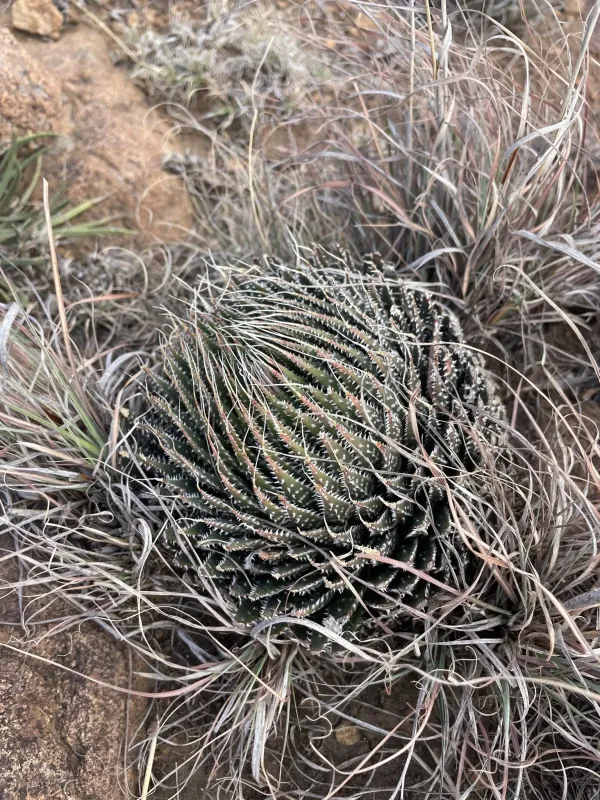
Description
Growing requirements
Gasteraloe beguinii is a distinct intergeneric hybrid resulting from the crossing of Aristaloe aristata and Gasteria carinata. Belonging to the Asphodelaceae family, this succulent features a compact, rosette-forming structure with thick, textured leaves that inherit the hardiness of its Gasteria parent and the aesthetic appeal of the Aristaloe lineage.
Originating from traits associated with South African xerophytes, this plant is cultivated globally as an ornamental specimen. Its horticultural value lies in its durability and the architectural pattern of its foliage, which requires minimal maintenance when provided with appropriate environmental conditions.
The cultural requirements demand a highly porous and well-draining potting medium. A standard mix should consist of coarse sand, perlite, and organic matter in a 3:1:1 ratio. This structure ensures that moisture does not accumulate around the root crown, thereby preventing physiological stress.
Regarding light, the plant thrives in bright, indirect light. While it is a succulent, it does not tolerate intense, direct sun for extended periods, which can cause leaf bleaching or necrosis. Positioning near windows with filtered morning light is optimal for steady development.
Temperature management is straightforward: it prefers typical indoor temperatures between +18°C and +24°C. During the winter dormant phase, reducing watering frequency is essential to mimic the plant's natural cycle and prevent rot, maintaining temperatures between +10°C and +15°C.
Main diseases and pests
The most significant threat to Gasteraloe beguinii is root rot, typically caused by overwatering or poor drainage. Symptoms include yellowing of the lower leaves and a soft, mushy texture at the base of the plant. Immediate cessation of watering and repotting in dry medium is required.
Pest pressure often comes from mealybugs, which tend to hide in the tight spaces between leaves. Regular inspection and targeted application of horticultural oils or systemic insecticides are effective measures to ensure the plant remains free from infestation.