
Gasteraloe
Aloe aristata Haw. x Gasteria carinata (Mill.) Duval var. verrucosa (Mill.) Van Jaarsv.
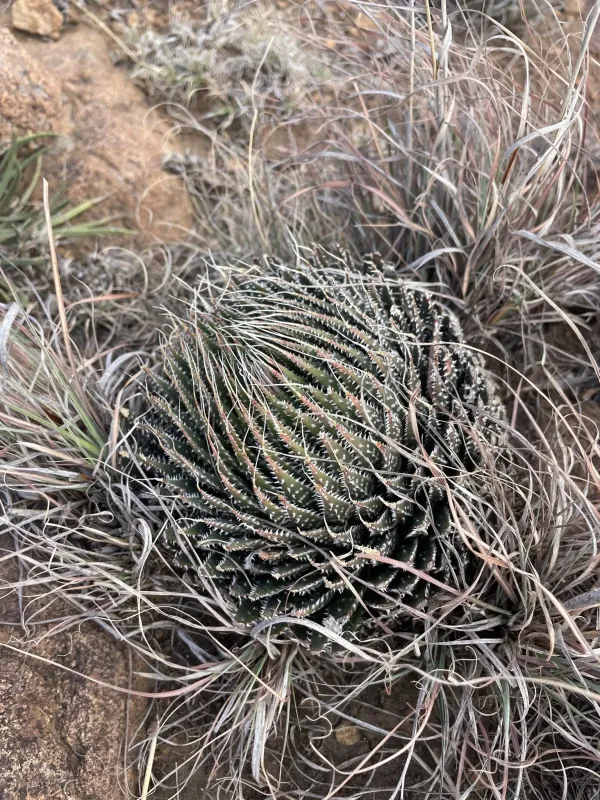
Description
Growing requirements
Gasteraloe (x Gasteraloe) is a fascinating intergeneric succulent hybrid derived from the cross-breeding of Aloe and Gasteria. It belongs to the Asphodelaceae family and is highly regarded by collectors for its architectural form.
The plant originates from the arid regions of Southern Africa, where its ancestors evolved to store water in fleshy, dense leaves. The hybrid often displays a characteristic rosette pattern with interesting leaf textures.
Gasteraloe thrives in bright, indirect light. Exposure to intense, direct afternoon sunlight should be avoided to prevent leaf scorching, which can permanently damage the plant's aesthetic appeal.
Cultivation requires a well-draining soil mix designed for cacti and succulents. It is recommended to use a blend of potting soil mixed with pumice, perlite, or grit to ensure maximum aeration for the roots.
Temperature management is crucial: the plant prefers warm conditions during the growing season and requires a cool, dry dormancy period during the winter months, which encourages future development.
Main diseases and pests
The most common threat to Gasteraloe is overwatering. Excessive moisture in the soil leads to rapid root rot, which is often fatal to the plant if not addressed immediately upon the first signs of wilting.
Mealybugs are the primary pest concern. These white, cottony insects tend to hide between the tightly packed leaves in the rosette, making manual removal and treatment with systemic insecticides necessary.
Spider mites can also become an issue in environments with low humidity and poor ventilation. They damage the epidermis of the leaves, resulting in a dull, mottled appearance that stunts growth.
Proper sanitation is essential for pest management. Removing dead or drying leaves from the base of the plant helps prevent the buildup of pathogens and provides fewer hiding spots for pests.
Maintaining a dry surface for the plant and ensuring proper air circulation will significantly reduce the likelihood of fungal infections and bacterial decay within the leaf tissues.