
Anticharis senegalensis
Anticharis senegalensis
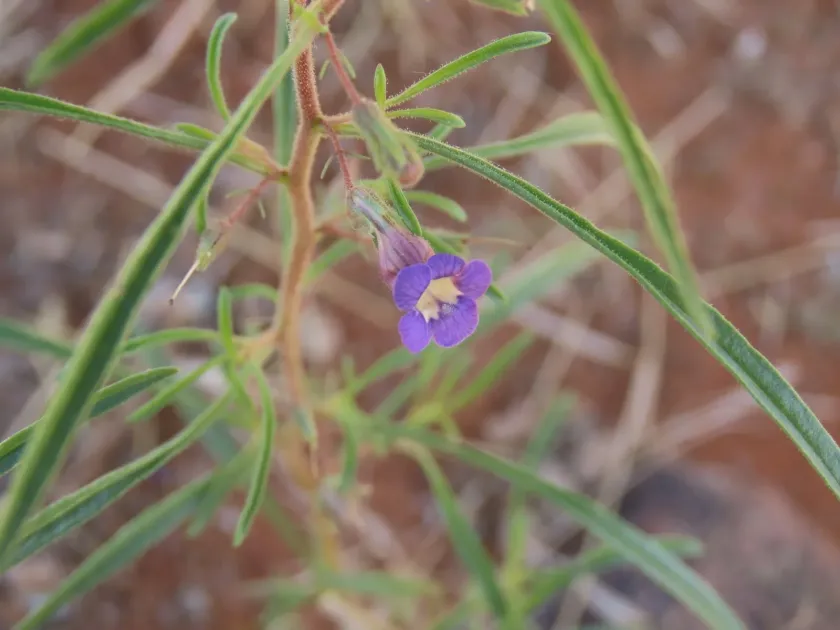
Description
Growing requirements
Anticharis senegalensis is a hardy herbaceous plant belonging to the Scrophulariaceae family. It is native to arid and semi-arid regions of Africa, where it thrives in harsh environments characterized by scarcity of water.
The plant is highly specialized to survive in sandy soils and desert plains. Its biological adaptation allows it to withstand extreme heat and prolonged droughts, making it a key species in the vegetation cover of the Sahelian regions.
Optimal growth requires high solar radiation and well-drained soil substrates. The plant cannot tolerate waterlogging, which quickly leads to root decay, as it is evolved to manage limited water resources efficiently within its specialized tissue.
Botanically, the plant features glandular hairs on its foliage, which play a crucial role in reducing water loss through transpiration. Its root system is extensive, allowing it to tap into moisture reserves deep beneath the sand surface.
In terms of agricultural utility, it serves as a valuable forage resource for livestock, particularly camels and goats in remote desert areas. Additionally, some traditional communities recognize its utility in local medicine for its various secondary metabolites.