
Anticharis glandulosa
Anticharis glandulosa
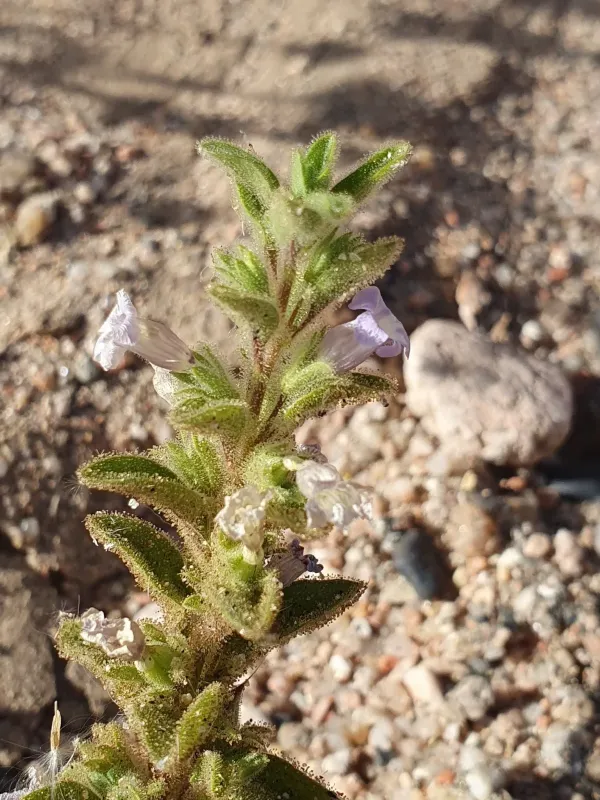
Description
Growing requirements
Anticharis glandulosa is a notable plant belonging to the Scrophulariaceae family, known for its extreme resilience in arid and desert environments. It is a small herbaceous shrub that demonstrates remarkable adaptation to high-temperature habitats.
The native distribution of this species spans across the arid zones of Africa and Western Asia. It typically thrives in sandy and rocky habitats, where water availability is extremely limited and environmental stress is high.
The plant is characterized by its glandular hairs covering the stems and leaves, which play a crucial role in water retention and protection against high UV radiation. These botanical features allow the plant to maintain metabolic functions during prolonged dry seasons.
Cultivation requirements involve sandy soil substrates with excellent drainage and full sun exposure. While not a conventional agricultural crop, it is studied for land reclamation purposes, specifically to prevent soil erosion in degraded arid ecosystems.
From a utilization perspective, Anticharis glandulosa is highly valued in ethnomedicine. It contains diverse phytochemicals, including glycosides, which are utilized for their therapeutic properties in treating inflammatory conditions and dermal ailments.