
Anredera baselloides
Anredera baselloides
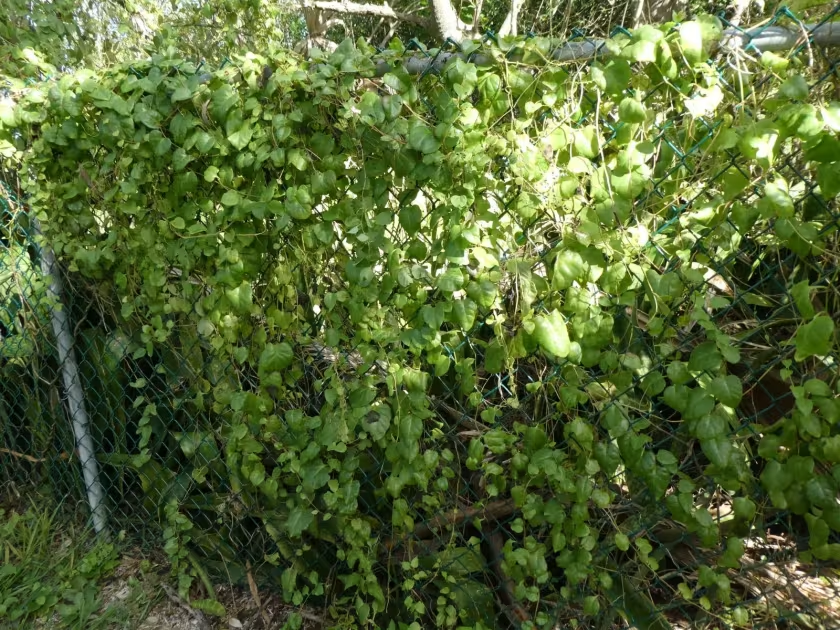
Description
Sowing dates
Anredera baselloides, a member of the Basellaceae family, is a vigorous perennial vine native to South America. It is primarily propagated vegetatively through aerial tubers that develop in the leaf axils, which serve as the primary source for starting new plants.
Planting typically occurs in the spring, once the danger of frost has passed and soil temperatures have warmed to at least 15 degrees Celsius. In moderate climates, late May is considered the ideal time for establishing the crop in open ground to maximize the growing season.
For greenhouse or container cultivation, tubers can be started indoors during February or March. Providing sufficient light and warmth encourages early shoot development, allowing the plant to reach its full decorative or agricultural potential faster once moved outdoors.
When planting, space the tubers about 40 to 50 centimeters apart. This spacing is essential to ensure adequate airflow around the foliage, which significantly reduces the humidity levels that could otherwise promote disease development in dense, crowded plantings.
The tubers should be planted at a depth of 3 to 5 centimeters. Proper depth ensures that the growing buds are protected from surface temperature fluctuations while allowing enough space for the plant to establish a robust initial root system.
Growing requirements
This species thrives in sunny, well-lit locations. While it can tolerate partial shade, full sun exposure is preferred to ensure vigorous growth, vibrant foliage color, and the development of the characteristic aerial tubers.
The soil must be fertile, light, and exceptionally well-drained. Heavy soils should be amended with organic matter or grit to improve aeration. Constant moisture is required, but waterlogging must be avoided at all costs to prevent tuber rot.
Regular watering is necessary, especially during peak summer temperatures. The plant benefits from increased humidity; therefore, occasional misting of the leaves can prevent the edges from drying out and helps maintain general plant vigor.
As a climbing vine, Anredera baselloides requires sturdy vertical support. Trellises, wire meshes, or fences are ideal. The stems have a natural tendency to twine, making the plant highly effective for vertical landscaping and green shading solutions.
Fertilization with a balanced, water-soluble fertilizer throughout the active growing season promotes strong stem development. Nitrogen-rich feeds help produce lush greenery, while phosphorous-rich feeds support the health of the subterranean and aerial tubers.
Main diseases and pests
Anredera baselloides is generally resilient but can be susceptible to spider mites, especially in environments with low humidity. These pests feed on the underside of leaves, causing discoloration and eventual decline if left unmanaged.
Poor soil drainage or excessively humid conditions can lead to fungal issues, such as root rot. It is crucial to ensure that the growing medium does not remain saturated, especially during cooler, low-light periods when the plant's metabolic activity slows.
Aphids can occasionally colonize young, tender shoots. Control is usually achieved through physical removal or the application of mild horticultural soaps, provided the infestation is caught early during routine plant inspections.
To prevent disease transmission, sanitation is paramount. Remove any dead or decaying plant material from the base of the vine and ensure that the area around the plant is free of weeds that could harbor pests or spores.
Overall plant health is the best defense against threats. Providing consistent care, balanced nutrition, and appropriate light levels enables the plant to build natural resistance to common garden pathogens and insect pressures.