
Anchomanes welwitschii
Anchomanes welwitschii
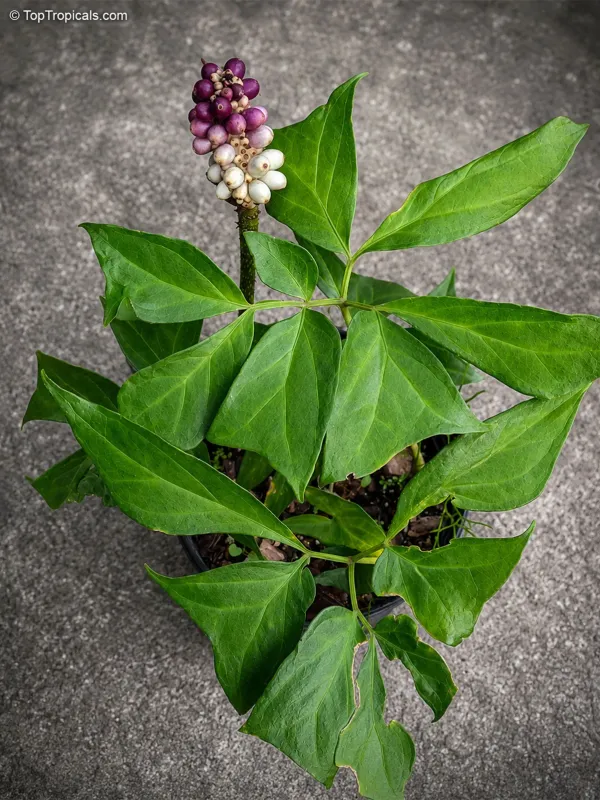
Description
Sowing dates
Propagation of Anchomanes welwitschii is primarily carried out vegetatively by dividing tubers, which serve as the main storage organs for the plant's nutrients.
Planting is best performed at the onset of the rainy season when soil temperatures are warm and consistent moisture levels facilitate rapid root establishment.
For seed propagation, it is essential to use a light, well-draining substrate while maintaining high ambient humidity and steady warmth to ensure successful germination.
Preparation involves creating well-aerated planting pits enriched with organic matter, which provides the necessary nutritional base for early plant development.
Proper spacing between plants is crucial to ensure that each individual has adequate access to light and nutrients, significantly impacting final tuber growth.
Growing requirements
As a member of the Araceae family, this species is a true tropical plant that requires consistently warm conditions throughout the year without major fluctuations.
The ideal soil should be loose, rich in organic humus, and highly permeable to water to prevent the occurrence of stagnant moisture, which leads to tuber decay.
Plants thrive in partial shade conditions, mimicking their natural habitat in tropical forest understories where they receive filtered sunlight.
Maintaining high atmospheric humidity is vital for plant health, as low moisture levels can lead to the rapid desiccation of the large, sensitive leaf blades.
Agricultural management should prioritize the application of organic fertilizers, as the large vegetative biomass requires a steady supply of nitrogen and micronutrients.
Yield
The primary yield of Anchomanes welwitschii consists of its tubers, which store significant quantities of starch and represent a valuable agricultural product.
Productivity is highly dependent on the length of the growing season and the quality of the maintenance practices, including weed control and nutrient management.
Cultivation on fertile soil following nitrogen-fixing legumes often yields the best results, ensuring a substantial mass of high-quality tubers per harvest.
The crop serves as an important local food source, providing essential carbohydrates in regions where other staples may struggle to grow effectively.
Post-harvest management involves careful processing to ensure the safety and marketability of the product, as proper handling is key to its nutritional utility.
Main diseases and pests
Major threats to the crop include fungal infections, which are often exacerbated by poor drainage and excessive moisture levels in the soil environment.
Soil-borne pests such as nematodes can cause significant damage to the tubers, leading to reduced yields and increased susceptibility to secondary infections.
Leaf-eating insects can impair the plant's photosynthetic capacity during active growth phases, which directly limits the energy stored in the tuber.
Snails and slugs represent a specific risk for young, tender shoots, often requiring physical barriers or localized protection during the early establishment phase.
Preventive measures include strict crop rotation, careful inspection of planting material, and the maintenance of optimal field hygiene to minimize infection risks.
Harvesting
Harvesting is performed once the vegetative foliage has naturally yellowed and withered, indicating that the plant has completed its nutrient storage cycle.
Careful excavation is required when removing tubers from the soil to avoid mechanical nicks or cuts, which are entry points for pathogens and rot.
Post-harvest treatment involves clearing away soil and allowing the tubers to cure in a shaded, well-ventilated area to improve their storage potential.
Storage should be conducted in a cool, dry, and dark environment to maintain quality and prevent early sprouting during the off-season.
Sorting tubers by size and health status allows for the effective selection of propagation material versus product intended for local consumption or sale.