
Stinking bean trefoil
Anagyris foetida
Description
Sowing dates
Propagation of Anagyris foetida is typically performed through seeds, which require mechanical or chemical scarification to improve germination rates.
The ideal sowing time in Mediterranean-type climates is early autumn, allowing seeds to experience winter stratification naturally in the soil.
For spring sowing, seeds must be artificially stratified at low temperatures (around 4 degrees Celsius) for several weeks to break dormancy.
Seeds should be planted at a depth of 3 to 4 centimeters in well-drained, porous soil to prevent rotting of the embryo before emergence.
The plant exhibits vigorous growth once established, making it a reliable choice for land rehabilitation projects in semi-arid environments.
Growing requirements
As a member of the Fabaceae family, Anagyris foetida is highly adapted to sunny, Mediterranean environments with mild, wet winters and dry summers.
The shrub is indifferent to soil fertility but thrives in calcareous and rocky substrates that provide excellent drainage for its root system.
It has high light requirements and should be positioned in full sun to ensure maximum biomass production and healthy flowering cycles.
The plant is noted for its high drought tolerance, which allows it to thrive in regions where traditional irrigation is unavailable or impractical.
The development of nitrogen-fixing nodules on the roots allows this shrub to colonize poor, degraded soils, acting as a pioneer species in some areas.
Yield
Anagyris foetida is not grown as a forage crop due to its significant toxicity to livestock and potential lethality if consumed in large quantities.
The primary economic output is pharmaceutical, as the plant is a source of specialized alkaloids such as anagyrine used in research and medicine.
Biomass yields depend heavily on density and site conditions, with the plant producing dense, woody foliage that can be harvested annually.
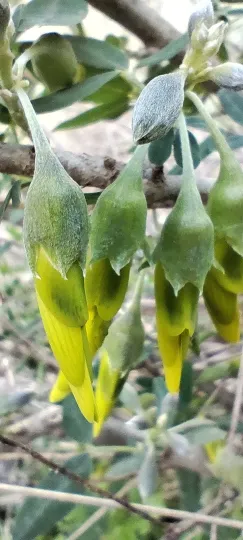
In landscape architecture, the yield is measured by its ornamental value, specifically the early spring appearance of yellow flowers on bare branches.
Commercial plantations require careful management to ensure a consistent harvest of raw material while maintaining the health of the perennial shrubs.
Main diseases and pests
The plant possesses a natural chemical defense system against herbivorous insects and pests, resulting in very low levels of foliage damage.
Excessive soil moisture is the most significant threat to the crop, as it leads to root asphyxiation and the development of pathogenic fungi.
In stagnant water conditions, the roots are susceptible to various rot-causing organisms that can kill a mature shrub within a single season.
While mature plants are robust, seedlings may occasionally be targeted by soil-dwelling larvae, requiring integrated pest management in early stages.
Strategic field placement is necessary to ensure no contact with grazing animals, as the plant remains poisonous even when dried or processed.
Harvesting
The harvest of aerial parts for pharmaceutical extraction is best conducted during the flowering season when alkaloid concentrations are at their peak.
Post-harvest processing involves rapid drying in ventilated areas to prevent the degradation of heat-sensitive active compounds within the tissues.
Seed collection is performed after the pods have darkened, ensuring they are harvested before natural dehiscence occurs on the mother plant.
Given the plant's structural characteristics, manual harvesting remains the most efficient method for maintaining product quality and purity.
All harvested material must be strictly labeled and stored with clear toxic-hazard warnings to prevent accidental ingestion or contact.