
Anacardium excelsum
Anacardium excelsum (Bertero & Balb. ex Kunth) Skeels
Description
Growing requirements
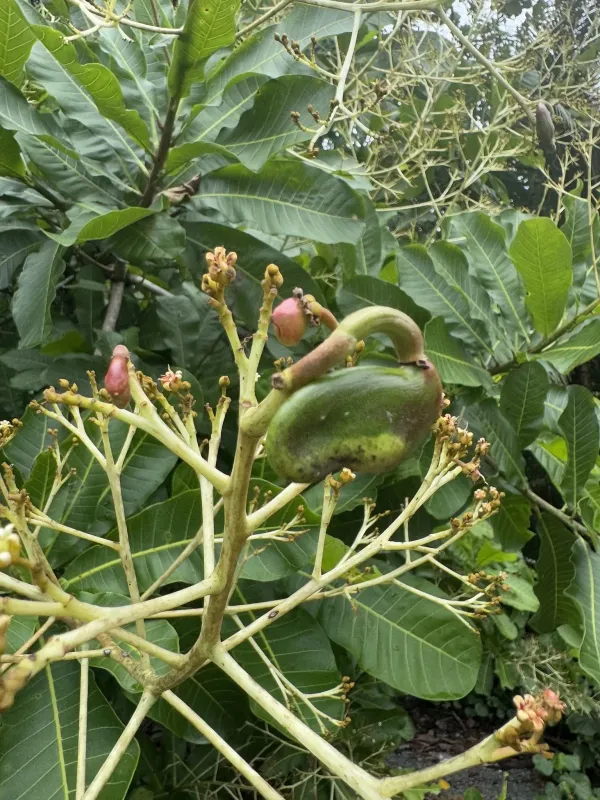
Anacardium excelsum, commonly known as Espavel or wild cashew, is a large, evergreen tree belonging to the Anacardiaceae family. It is capable of growing up to 50 meters in height and serves as a significant timber source in tropical regions.
Native to Central and South America, this tree is primarily found in tropical rainforests and humid lowland environments. It thrives in well-watered regions, including alluvial forests along riverbanks where the soil is rich and deep.
The climate requirements for Anacardium excelsum include high average temperatures throughout the year and significant rainfall. While the tree is remarkably adaptable, it thrives best in environments that mimic the stable humidity of its native habitat.
Regarding soil conditions, this species prefers deep, well-draining soils with a substantial amount of organic matter. It exhibits some tolerance for seasonal water saturation but performs significantly better in sites where permanent waterlogging is avoided.
Cultivation practices involve proper seedling management and initial site preparation. During the establishment phase, young trees require regular weeding and protection from excessive competition to ensure the development of a straight and healthy main stem.
Yield
The primary economic focus for Anacardium excelsum is its valuable timber, often sold under the names Espavel or Cauri. This wood is highly regarded for its durability, workability, and resistance to decay, making it suitable for a variety of uses.
Timber from this species is widely used in construction, flooring, and high-quality furniture making. Its ability to take a smooth finish and its resistance to fungal attacks make it a preferred material in tropical regions for interior and exterior work.
Beyond timber, the bark of the tree is a source of tannins, which are utilized in artisanal leather processing. While the fruits are edible, they do not hold the same global market importance as the commercial cashew nut.
The yield of biomass is dependent on the management intensity of the plantation. A well-managed forestry project ensures high-quality timber output after a maturation cycle that typically spans several decades.
Optimizing planting density is a key component of modern management, allowing for better access to sunlight and resources. This, in turn, boosts the overall growth rate and productivity of the stand, ensuring long-term profitability.
Main diseases and pests
The tree may be subject to attacks by wood-boring insects, which can compromise the structural integrity and aesthetic value of the wood. Regular forest health monitoring is essential to mitigate these risks before they affect commercial logs.
Root rot, often caused by pathogenic fungi in poorly drained soils, remains one of the primary threats to the health of the stands. Proper site selection and drainage management are the most effective preventive measures against such outbreaks.
Foliage-feeding insects can cause stunted growth in juvenile trees within nursery conditions. Integrated pest management, focusing on biological controls and maintaining stand diversity, helps keep these populations below the damage threshold.
Monoculture planting increases susceptibility to widespread infections, so incorporating other compatible species into the forestry layout is recommended to maintain an ecological balance and limit disease spread.
General maintenance practices, such as clearing competing vegetation and applying mulching, help ensure that the trees remain vigorous and better able to defend themselves against common regional pests and stressors.