
Amphicarpum amphicarpon
Amphicarpum amphicarpon
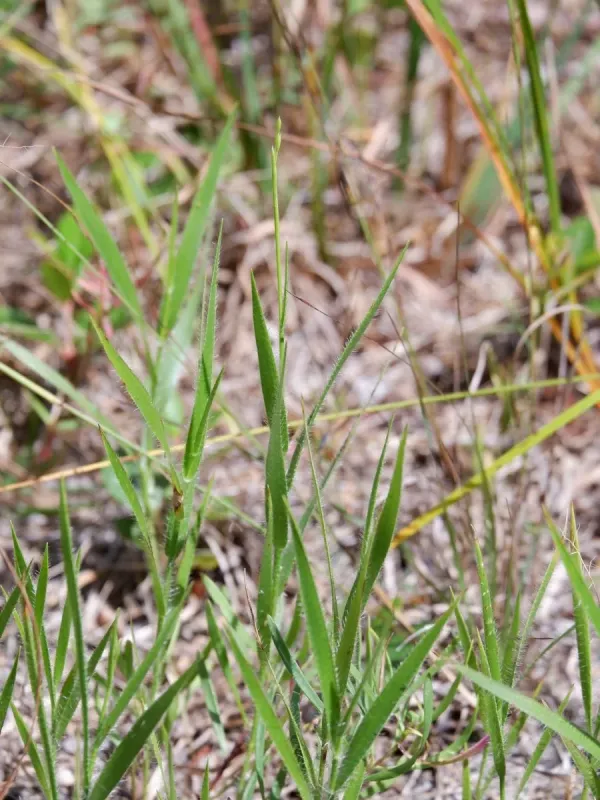
Description
Sowing dates
Amphicarpum amphicarpon is a warm-season grass that requires warm soil temperatures for successful germination and initial seedling development.
Planting should be scheduled for late spring, ensuring that the risk of frost has passed and the soil has reached a stable temperature.
Seeds must be sown at a shallow depth, typically 1 to 3 centimeters, to ensure adequate access to oxygen and to facilitate rapid emergence through the surface.
Wide row spacing is recommended to reduce intraspecific competition and to allow for easier weeding during the early stages of plant growth.
Proper seedbed preparation is essential, as the seeds have relatively low germination energy compared to traditional domesticated cereals.
Growing requirements
As a member of the Poaceae family, this species thrives in well-drained, acidic, and sandy soils typical of its native coastal habitats.
Full sun exposure is a non-negotiable requirement, as the plant exhibits poor growth and reduced yield in shaded environments.
The plant demonstrates significant tolerance to nutrient-poor soils, making it a potentially useful crop for marginal lands where other grasses fail.
Soil moisture should be maintained during the active growth period, although established plants are notably drought-tolerant once the root system is deep.
Protection from invasive weeds is critical, as this grass is relatively slow-growing during the early seedling stage and can be easily outcompeted.
Yield
The productivity of this crop is unique due to its amphicarpic nature, which allows it to produce both aerial and subterranean seeds simultaneously.
Aerial biomass serves as a source of forage, while subterranean seeds are larger and more nutrient-dense, providing an additional yield component.
Yield stability is generally maintained even in poor soil conditions, provided that the plant is protected from severe competition and excess water logging.
Nitrogen fertilization can enhance the vegetative growth, but growers must balance this to avoid lodging or reduced reproductive success.
In experimental settings, the total seed yield is significantly bolstered by the subterranean production, which acts as a reproductive insurance strategy.
Main diseases and pests
The crop is relatively resistant to many conventional agricultural pests, likely due to its evolution in specific sandy ecosystems.
Subterranean pests such as wireworms and white grubs can cause damage to the underground seeds, which is the most vulnerable part of the plant.
Root rot pathogens may develop in poorly drained fields, leading to stunted plant growth and reduced overall fitness of the crop population.
Excessive moisture during the harvest period can lead to fungal growth on the subterranean seeds, necessitating careful timing for crop collection.
Good agricultural practices, such as proper crop rotation and the use of healthy seed stock, are sufficient to keep most potential threats under control.
Harvesting
Harvesting Amphicarpum amphicarpon requires a two-stage approach to manage the collection of both aerial forage and subterranean grain.
Aerial foliage can be harvested using conventional mowing equipment once the seeds in the panicles have reached physiological maturity.
Subterranean seeds must be collected using specialized mechanical harvesters, similar to those used for peanuts or potatoes, to separate the grain from the soil.
Timing is critical, as the operator must wait until the underground seeds are fully matured without allowing the aerial seeds to shatter and disperse prematurely.
Post-harvest processing involves screening and cleaning the subterranean grain, followed by immediate drying to ensure stability during storage.