
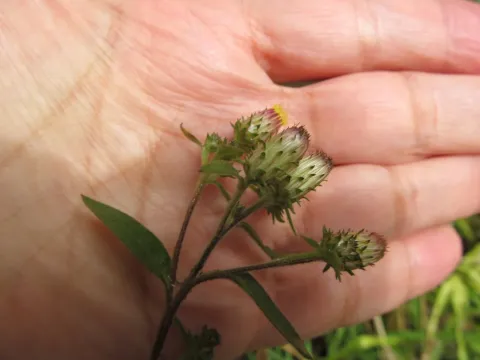
Amblyocarpum
Amblyocarpum
Amblyocarpum is a genus of plants belonging to the Asteraceae family. As a niche plant, its cultivation is primarily focused on botanical interest rather than industrial agricultural output.
What the section contains
Amblyocarpum
The sowing process typically involves preparing a fine-tilled seedbed during the spring months, allowing the soil to warm sufficiently to trigger the germination process of the seeds.
Due to the small size of the seeds, they should be sown at a shallow depth to ensure adequate light exposure for successful emergence, avoiding heavy soil compaction.
Moisture levels during the initial stages must be monitored closely, as the young seedlings are vulnerable to desiccation during the critical phase of root establishment.
Consistency in the planting density is essential to allow proper aeration and space for each plant to reach its full physiological maturity by the end of the growth cycle.
Amblyocarpum requires well-lit, sunny environments to thrive. High solar exposure is vital for the development of its vegetative structures and the successful formation of flowering heads.
The soil type preferred by this genus is a fertile, well-drained loam. Soil quality should support moderate nutrient uptake without causing water stagnation, which is detrimental to the plant's roots.
Climatic conditions should favor a temperate environment. While the plant can tolerate short periods of heat, excessive drought should be avoided through controlled irrigation practices.
Management of weed competition is a critical agricultural requirement, as Amblyocarpum can be easily outcompeted by more aggressive field weeds during its early development stages.
Regular maintenance, including mechanical hoeing and soil aeration, contributes significantly to the health and vitality of the plants throughout the entire vegetative period.
Pathogenic threats for Amblyocarpum include various fungal infections, particularly those that target the root system under conditions of poor drainage and high humidity.
Insects such as aphids and spider mites represent the primary pest risks. These pests feed on the nutrient-rich sap of the plant, potentially leading to weakened structural integrity.
Implementing an integrated pest management strategy is highly recommended, prioritizing biological control methods to maintain the ecological balance within the planting site.
Good agricultural practices, such as proper spacing and rotation, are the most effective preventive measures against the spread of common Asteraceae-related diseases.
Monitoring for symptoms of infestation or disease must be frequent, especially during the transition from the vegetative stage to the floral bud stage of the plant.