
Alyogyne cuneiformis
Alyogyne cuneiformis
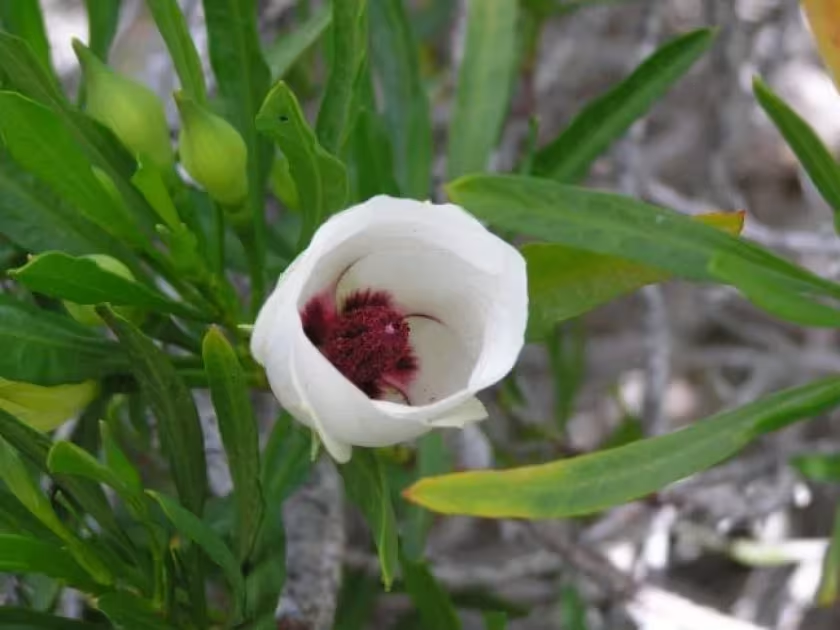
Description
Growing requirements
Alyogyne cuneiformis is a perennial shrub belonging to the Malvaceae family, native to the arid coastal regions of Western Australia. It is highly valued for its aesthetic appeal and is recognized as a hardy, drought-tolerant species in its natural habitat.
The plant requires full sun exposure to thrive and produce its signature flowers. In an agricultural setting, it is essential to replicate its natural environment by providing high light intensity and avoiding any form of shading that could lead to leggy, weak growth.
Regarding soil requirements, the species demands excellent drainage. It performs best in sandy or gravelly soils where water does not accumulate. Poor drainage is the primary cause of failure in cultivating this crop, as it quickly leads to root rot.
The thermal requirements of Alyogyne cuneiformis are strictly limited to warm climates. It is sensitive to frost and freezing temperatures, which restricts its outdoor commercial cultivation to subtropical and tropical zones.
Agrotechnical practices involve careful pruning after the flowering season to maintain the desired plant structure and encourage denser branching. This promotes a higher quantity of flowers in the following growth cycle.
Main diseases and pests
Root rot is the most significant pathological threat to this culture, primarily caused by fungal pathogens such as Phytophthora species. Preventive measures include strictly controlling soil moisture and ensuring a high-quality substrate structure.
Pest pressure is mainly attributed to spider mites and mealybugs, especially in greenhouse conditions where natural predators are absent. These pests thrive in dry environments and can severely stunt the plant's growth if left unchecked.
Integrated pest management (IPM) strategies, including the use of horticultural oils and systemic insecticides, are recommended for controlling infestations. Early detection through regular monitoring is crucial to prevent widespread outbreaks.
Fungal diseases like powdery mildew can occur if air circulation is restricted. Increasing ventilation and maintaining dry foliage are essential protocols for greenhouse production management.
Nutrient deficiencies, particularly related to micronutrients, may manifest in alkaline soils. Adjusting the pH to slightly acidic levels can help ensure optimal nutrient uptake and plant vigor.