
Aloiampelos striatula
Aloiampelos striatula
Description
Growing requirements
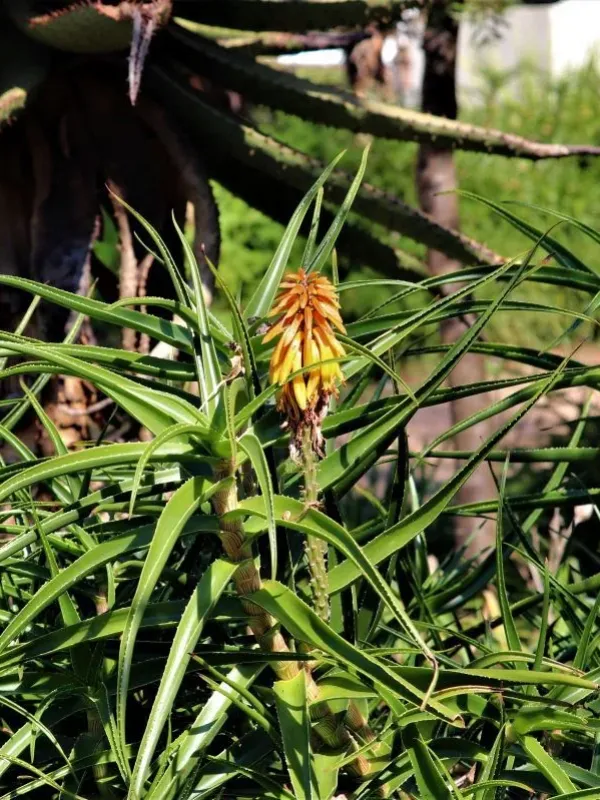
Aloiampelos striatula is a perennial shrub-like succulent species belonging to the Asphodelaceae family. It is recognized for its woody, branching stems and narrow, recurved leaves, which allow it to form dense, resilient clusters in its natural environment.
Native to the high-altitude regions of South Africa, this species is noted for its exceptional hardiness compared to other succulent types. It can withstand short periods of frost, making it a popular choice for xeriscaping and sustainable gardening in moderate climates.
The cultural requirements demand well-draining, gritty soil to prevent moisture accumulation around the roots. In agricultural or horticultural settings, a neutral to slightly alkaline soil substrate is ideal for maintaining optimal plant vigor and health throughout the growing season.
Sun exposure is a critical parameter; the plant thrives in full sun conditions, which stimulate compact growth and the development of rich leaf coloration. In shaded environments, the plant tends to etiolate, resulting in weakened stems that are prone to structural failure.
Water management involves irrigation only when the growing medium has dried out completely. Over-fertilization should be avoided, as it can lead to rapid, soft tissue growth that decreases the plant's natural resistance to cold and environmental stress factors.
Main diseases and pests
The primary threats include fungal pathogens such as Pythium and Phytophthora, which thrive in waterlogged soil conditions. Proper site selection and careful monitoring of irrigation levels remain the most effective methods for controlling these issues.
Pests such as mealybugs and spider mites are common concerns. Regular inspection of the stem joints and leaf bases is recommended, and the application of horticultural oils or systemic insecticides should be utilized as soon as an infestation is detected.