
Aloiampelos gracilis
Aloiampelos gracilis
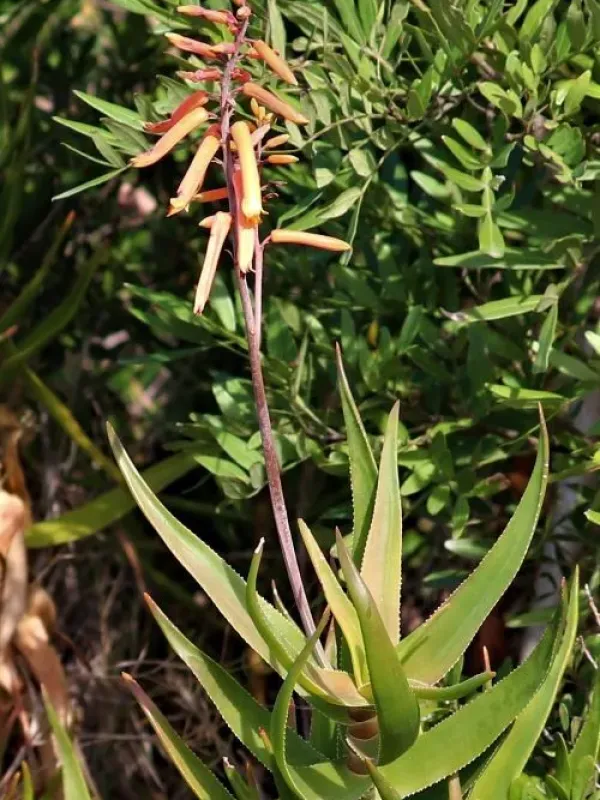
Description
Growing requirements
Aloiampelos gracilis is a climbing succulent belonging to the Asphodelaceae family. Native to the Eastern Cape region of South Africa, it thrives in rocky, well-drained environments, demonstrating a high degree of adaptation to arid climate conditions and poor soils.
The plant is distinguished by its slender, elongated stems that can trail or climb if provided with support. Its leaves are typically narrow, lance-shaped, and feature small, tooth-like serrations along the margins, which is a classic trait for many species within this genus.
Successful cultivation requires a substrate with excellent aeration. A mix of pumice, perlite, and coarse sand with a minimal amount of organic compost is recommended to mimic the stony habitat of its origin and prevent root suffocation.
The plant requires bright, direct sunlight for several hours a day to maintain its structural integrity. In indoor settings, south-facing windows are ideal, while in tropical or subtropical climates, the plant can be grown outdoors in rock gardens or containers.
Regarding moisture, the "soak and dry" method is the gold standard for this species. During the active growing season, water thoroughly when the soil has dried out completely. In winter, moisture levels should be kept at an absolute minimum to prevent physiological stress.
Main diseases and pests
The primary threat to Aloiampelos gracilis is root rot caused by improper watering patterns, particularly when the soil remains damp for extended periods. This condition often results from using heavy, water-retentive garden soil instead of specialized succulent mixes.
Pest pressure mainly comes from mealybugs and scale insects. These organisms thrive in sheltered areas around the leaf base. Consistent monitoring and immediate intervention using horticultural oils or systemic insecticides are necessary to preserve the plant's aesthetic value and health.