
Sitka alder
Alnus sinuata
Description
Growing requirements
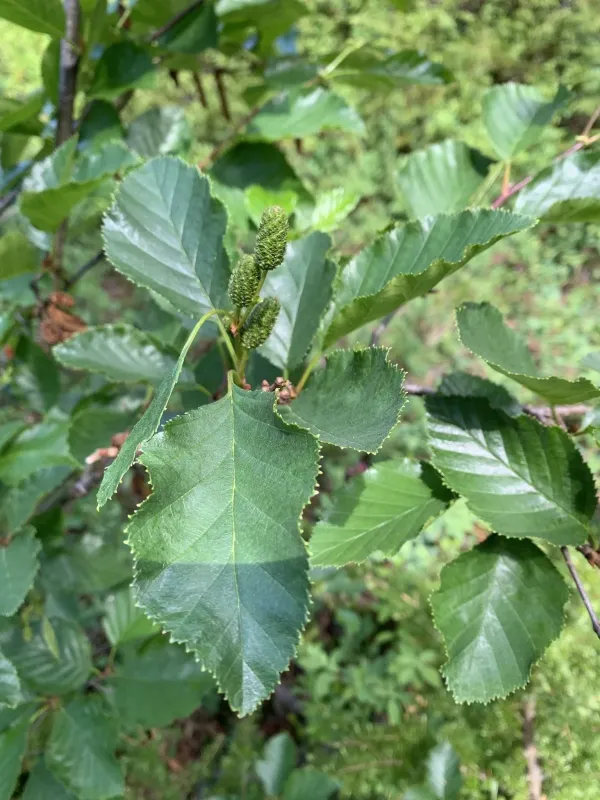
Sitka alder (Alnus sinuata) is a robust shrub or small tree belonging to the Betulaceae family. It is recognized for its rapid growth rate and its ability to act as a pioneer species in disturbed habitats, often colonizing sites after landslides or wildfires.
Native to western North America, this species thrives in cool, moist environments ranging from high-altitude alpine zones to coastal areas. It is highly valued for its ability to stabilize soil and survive in harsh, windswept environments where other species struggle to establish.
Regarding soil requirements, Sitka alder prefers moist, well-drained substrates. Its unique biological advantage lies in its symbiotic relationship with Actinomycetes bacteria, which allows it to fix atmospheric nitrogen and successfully colonize nutrient-poor or rocky soils.
Cultivation practices focus on maintaining adequate moisture levels while ensuring the plant receives full sunlight. Due to its hardiness, it is commonly used in agroforestry for windbreak establishment and as a cover crop for soil enrichment in reforestation projects.
Beyond its ecological value, the plant is used for erosion control on steep slopes. Its intensive root system helps hold the substrate firmly, preventing landslides and contributing to long-term landscape stability in mountainous regions.
Main diseases and pests
Sitka alder is generally resilient; however, it can be susceptible to fungal diseases such as leaf spots and powdery mildew under prolonged periods of high humidity. Proper spacing is essential to encourage air circulation and reduce disease risk.
Insect pests, including alder leaf beetles, can cause significant defoliation if left unchecked. These infestations are most detrimental to younger, less established trees that have not yet developed a full canopy.
Root rot remains a concern if the plants are grown in poorly drained, compacted soils that promote water stagnation. Ensuring proper site selection is the most effective preventative measure against these underground pathogens.
Mammalian pests, particularly rodents, can cause severe damage to the bark during the winter season. Protecting the base of the stems with physical barriers or netting is a standard practice for maintaining tree health during the early growth stages.
An integrated approach to plant health is recommended, involving periodic inspections and the removal of infected tissue. Maintaining the overall vigor of the plantation through appropriate site selection significantly lowers the susceptibility to environmental stresses and pests.