
Siebold's Alder
Alnus sieboldiana
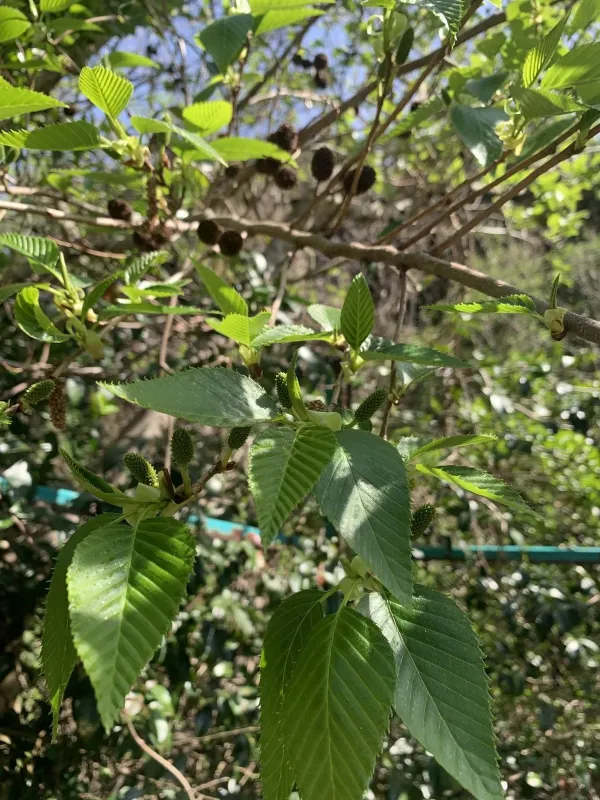
Description
Growing requirements
Siebold's Alder (Alnus sieboldiana) is a deciduous tree belonging to the Birch family (Betulaceae), native to Japan. It is highly valued for its ecological role in soil improvement and its ability to thrive in harsh environments where other species may struggle.
The plant prefers moist, well-drained soils, but it is known for its remarkable adaptability to rocky or nutrient-poor substrates. Its roots form symbiotic relationships with actinomycetes, which fix atmospheric nitrogen, significantly enriching the surrounding soil for other plants.
Cultivation requires minimal fertilizer input because of the tree's internal nitrogen-fixing capabilities. It thrives best in sunny locations, although it can tolerate partial shade during its juvenile development stages, showing strong architectural growth.
Siebold's Alder is characterized by its high wind resistance, making it an excellent choice for windbreaks and erosion control on hillsides. Its robust root system helps stabilize the soil, preventing degradation in agricultural and forest landscapes.
In terms of usage, this species is frequently utilized for land reclamation, ornamental park landscaping, and sustainable wood production. The timber is lightweight and easy to work with, finding applications in small-scale carpentry and manufacturing.
Main diseases and pests
The primary pathological concern for Siebold's Alder is phytophthora root rot, a fungal-like infection that leads to crown dieback and tree decline. Early detection through regular visual inspection is critical for managing this threat in nursery conditions.
Leaf-eating insects, such as alder beetles, can become a problem during peak growing seasons, potentially leading to defoliation. Integrated pest management strategies are advised if population thresholds indicate a risk to the health of the stand.
Environmental stressors like poor drainage often exacerbate disease susceptibility. Ensuring adequate soil aeration is a fundamental preventative measure against root-related pathologies that weaken the tree's natural nitrogen-fixing efficiency.
Sanitation practices, including the removal of infected branches, are essential to stop the transmission of airborne fungal spores. This is especially important in dense plantations where humidity levels can facilitate pathogen spread.
Overall, maintaining tree vigor through appropriate site selection and adequate spacing helps naturally limit the impact of most common pests and diseases, ensuring a healthy and productive growth cycle.