
Oriental alder
Alnus orientalis
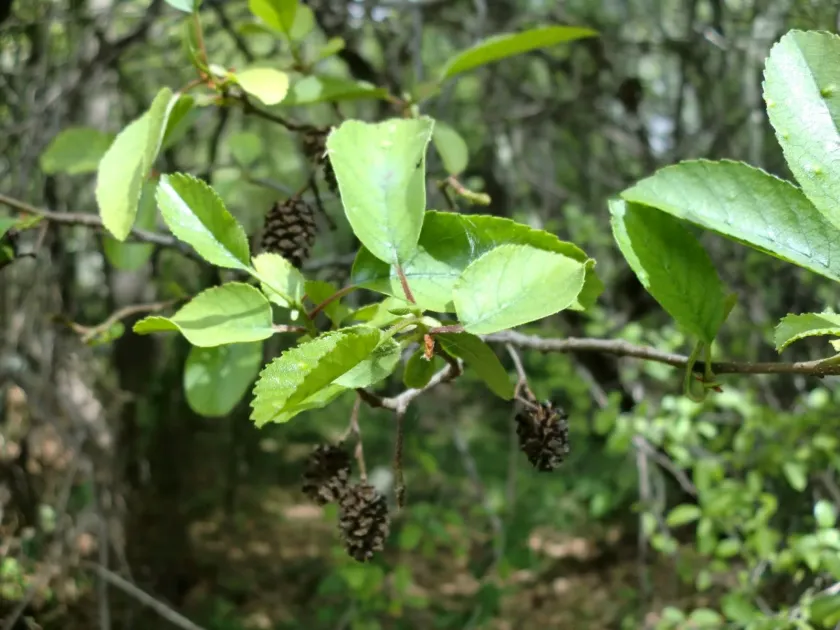
Description
Growing requirements
Oriental alder (Alnus orientalis) is a deciduous tree species belonging to the Betulaceae family. It is recognized for its ability to thrive in specific moisture-rich habitats and its contribution to the ecological balance of the Mediterranean region.
The native distribution of this species covers parts of Turkey, Cyprus, and surrounding Mediterranean areas. It is naturally adapted to riparian zones, where it often forms dense stands along riversides, streams, and wet valleys.
Regarding soil requirements, this species favors deep, fertile, and moist substrates. While it demands consistent soil moisture, it prefers sites with good aeration to prevent root suffocation, thriving in well-drained loamy or sandy-loam soils.
The climate requirements for Alnus orientalis are centered on Mediterranean temperate conditions. It thrives in regions with mild winters and adequate rainfall throughout the spring. It is highly sensitive to extreme frost, which can damage juvenile branches and affect overall growth vitality.
Agricultural management involves careful selection of planting sites with consistent water availability. The species is valued for its nitrogen-fixing root nodules, which naturally enhance soil fertility, making it an excellent candidate for ecological restoration and soil stabilization projects.
Main diseases and pests
The tree is susceptible to several fungal diseases, particularly those affecting the root system and leaves in conditions of poor air circulation. Regular pruning to improve air movement through the canopy is recommended to prevent such outbreaks.
Pests, such as various species of leaf beetles and aphids, may occasionally attack the foliage, causing significant defoliation if left untreated. Integrated pest management practices are essential to maintain the health of the alder plantation during the early stages of establishment.