
Nepalese alder
Alnus nepalensis
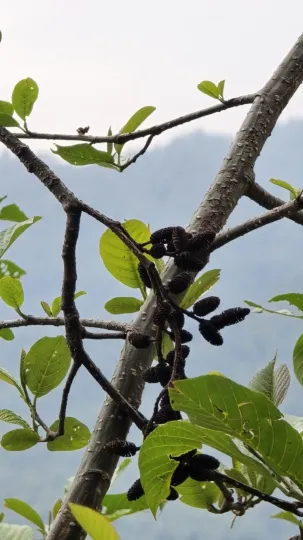
Description
Sowing dates
Seeds of the Nepalese alder should be sown in the spring once the soil temperature is suitable for germination. Proper pre-treatment, including cold stratification, significantly enhances the uniformity of seedling emergence in nursery beds.
In forest nurseries, seeds are typically sown in well-drained substrate trays or prepared seedbeds. Maintaining consistent soil moisture is vital during the initial weeks to ensure that the delicate seedlings develop robust root systems.
Seedlings are usually outplanted to permanent locations after 12 to 18 months of nursery care. Containerized seedlings generally demonstrate higher survival rates, especially when reforestation is conducted on degraded mountain slopes.
The planting density depends on the specific project goals, typically ranging between 1,000 and 2,500 trees per hectare. High-density planting helps to quickly establish a closed canopy, which suppresses weeds and protects the soil surface.
The species naturally forms a symbiotic relationship with nitrogen-fixing bacteria, which reduces the dependency on synthetic nitrogen fertilizers during the establishment phase of the plantation.
Growing requirements
The Nepalese alder is a fast-growing tree belonging to the Betulaceae family. It is native to the temperate regions of the Himalayas, where it naturally colonizes disturbed forest areas and landslide-prone terrain.
This tree thrives at elevations ranging from 1,000 to 3,000 meters. It is a heliophytic (light-demanding) species that requires ample direct sunlight to reach its maximum growth potential, especially in the early stages.
Regarding soil preferences, it favors moist, loamy, and fertile environments but shows remarkable tolerance for nutrient-poor and compacted soils. It is particularly valued for its role in soil improvement and stabilization.
Although it requires high humidity, the Nepalese alder does not perform well in waterlogged, stagnant soils. Adequate soil drainage is a prerequisite for successful long-term growth and prevention of root decay.
The tree exhibits impressive climate resilience, being able to withstand the cool temperatures and seasonal frosts typical of high-altitude ecosystems. It is a cornerstone species for ecological restoration in Himalayan regions.
Yield
The primary economic output from Nepalese alder plantations is timber. The wood is lightweight, relatively soft, and easy to work with, making it suitable for plywood, box manufacturing, and various interior furniture applications.
In ideal conditions, the tree displays an extraordinary growth rate, reaching significant biomass volumes within just 10 to 15 years. This rapid cycle provides landowners with a viable and sustainable source of income.
Beyond timber, the species is an essential component of agroforestry systems. Its nitrogen-rich leaf litter significantly enhances soil fertility, directly benefiting intercropped agricultural plants.
The species is also widely utilized for the production of fuelwood and charcoal in rural mountain communities. Its ability to regrow from stumps after harvesting allows for coppice management systems.
Environmental benefits, such as carbon sequestration and erosion control, constitute a significant non-monetary yield. The massive root architecture acts as a biological anchor for unstable slopes and embankments.
Main diseases and pests
While generally robust, the Nepalese alder can be susceptible to fungal diseases such as leaf rust or leaf spot in overly dense or poorly ventilated plantations. Strategic thinning and maintenance are key preventive measures.
Pests, particularly defoliating beetles and certain stem borers, can become a problem if the forest stand is under stress due to prolonged drought. Integrated pest management practices should be implemented to maintain stand health.
Root rot is a common issue when the species is planted in sites with poor drainage or during periods of excessive rainfall. Ensuring sites are properly prepared with natural drainage is the best defense against this threat.
Young plantations are vulnerable to browsing by livestock and wild animals. Installing fencing or individual tree guards is a standard and necessary practice during the first two to three years of plantation development.
Genetic vulnerability can occur in mono-clonal stands, making them more susceptible to widespread pathogens. Diversifying planting sources and implementing strict sanitary logging practices will protect the long-term health of the plantation.