
Maximowicz alder
Alnus maximowiczii
Description
Growing requirements
The Maximowicz alder (Alnus maximowiczii) is a deciduous tree belonging to the Birch family (Betulaceae). Known for its rapid growth and ecological resilience, it is widely utilized in reforestation projects and for stabilizing sensitive land areas due to its robust root system.
The natural habitat of this species is spread across the Russian Far East, Japan, and the Korean Peninsula. It thrives in cool, humid conditions and is frequently found along riverbanks, mountain slopes, and volcanic soils, demonstrating an exceptional ability to adapt to diverse terrains.
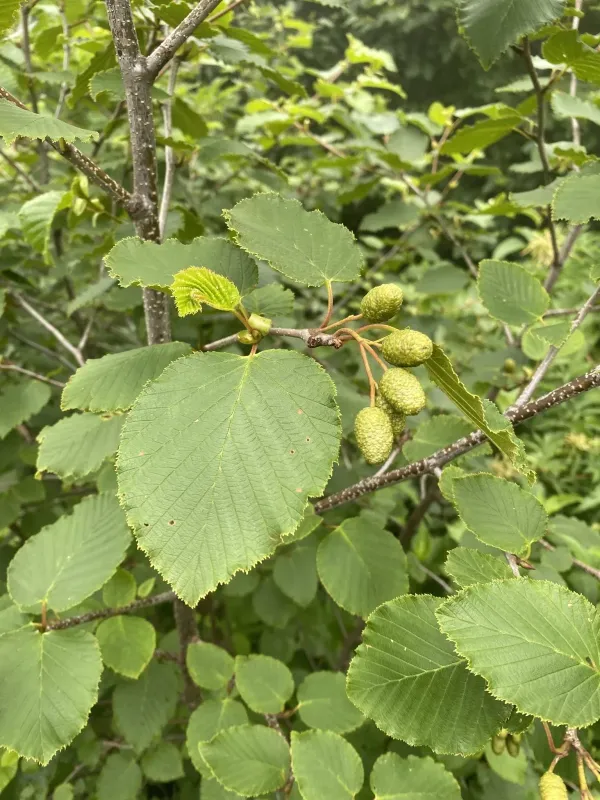
Botanically, it is recognized by its slender stem and large, broad-ovate leaves. A critical feature of this species is its root symbiosis with nitrogen-fixing actinomycetes, which allows it to improve soil fertility and thrive in nutrient-poor environments, functioning as a pioneer species.
Climatic requirements involve a preference for temperate zones with consistent moisture levels. While it tolerates various soil types, it performs best in well-aerated, moist soils. It is highly photophilous and requires adequate space to ensure proper canopy development and prevent crown suppression.
Agronomic management practices focus on site preparation and initial weeding. During the first few years of growth, young trees require protection from aggressive competing vegetation. Once established, the alder requires minimal maintenance due to its natural ability to self-regulate and enrich the local soil nitrogen levels.
Main diseases and pests
The species is susceptible to various fungal pathogens, particularly stem rot, which can occur if the bark is damaged or if the tree is stressed by prolonged environmental factors. Maintaining forest hygiene is essential to prevent the spread of disease within the stand.
Leaf-feeding insects, such as beetles and sawfly larvae, represent a significant threat to the foliage. Severe infestations can lead to defoliation, which hampers the tree's photosynthetic capacity and reduces annual wood increment, especially in younger, more vulnerable plantations.
Integrated pest management (IPM) strategies are recommended, emphasizing the role of biological control agents and natural predators. Chemical interventions should be used sparingly, primarily focusing on nursery-stage seedlings to ensure healthy development before outplanting.
Root system issues, including root rot, often stem from poor drainage. Ensuring that the planting site has adequate water flow is a key preventive measure in site preparation. Avoid waterlogged areas that may prevent proper respiration of the root system and inhibit symbiosis.
Periodic monitoring and diagnostic site visits are vital for maintaining the health of Maximowicz alder stands. Early detection of environmental stress or pathogen activity allows for prompt corrective actions, ensuring the long-term viability and productivity of the forestry crop.