
Seaside alder
Alnus maritima
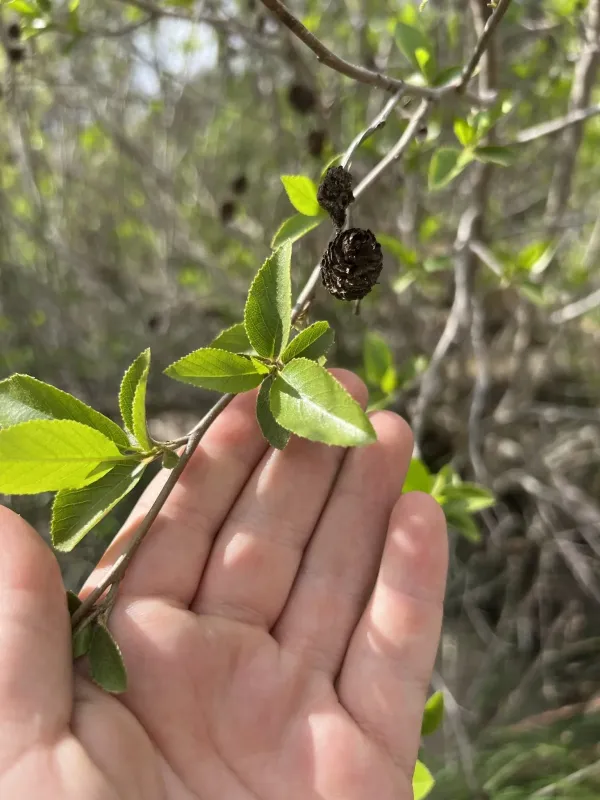
Description
Sowing dates
Seaside alder seeds are best sown in the fall after collection or in the spring following a cold stratification period. The seeds require consistent moisture and a light substrate to germinate successfully in greenhouse conditions.
When planting seeds, they should be lightly covered with a thin layer of soil or sand to ensure optimal light exposure and moisture retention. Maintaining a stable temperature between 18 and 20 degrees Celsius is crucial for consistent seedling emergence.
Transplanting seedlings to a permanent location is recommended during the dormant season, either in early spring or late autumn. This timing allows the root system to establish itself before the onset of the active growing season.
Adequate spacing, typically around 3 to 5 meters depending on the desired growth form, is necessary to prevent crowding. Proper spacing ensures that every tree receives enough sunlight and airflow to develop a healthy, full crown.
Proper hydration immediately after planting is vital for the survival of young trees. Using organic mulch around the base helps retain soil moisture and stabilizes the temperature of the root zone during the first year.
Growing requirements
The Seaside alder, belonging to the Betulaceae family, is a deciduous tree native to coastal areas of North America. It is highly valued for its ability to thrive in wet, sandy soils, making it an excellent choice for riparian restoration.
This species performs best in full sun but can tolerate partial shade. It is particularly known for its adaptability to high moisture environments and its ability to withstand periodic flooding without significant root damage.
Soil requirements include well-drained but moist substrates rich in organic matter. While it is adaptable to various soil types, maintaining a slightly acidic to neutral pH is beneficial for nutrient uptake and overall tree vitality.
Cultural practices include occasional fertilization during the spring to support vigorous growth. Using balanced fertilizers helps in developing a lush green canopy, especially in soil that may lack natural fertility.
Minimal pruning is required for the Seaside alder, primarily focused on removing dead wood or shaping the tree for aesthetic purposes. Pruning should always be performed during the dormancy phase to avoid excessive sap loss.
Main diseases and pests
The primary threats to this species involve fungal infections, especially in humid and stagnant air conditions. Proper crown management and avoiding over-densified planting can significantly reduce the risk of leaf spots and rust.
Pests such as aphids and leaf miners may affect the foliage during the warmer months. Integrated pest management strategies, focusing on biological controls, are usually sufficient to maintain the plant's health and visual appeal.
Nutrient imbalances, particularly iron deficiency, can lead to chlorosis in leaves if the soil pH is not properly managed. Regular soil testing and timely application of micro-nutrients ensure a vibrant foliage color throughout the season.
Environmental stress, such as extreme drought, can weaken the trees and make them susceptible to secondary infections or boring insects. Consistent irrigation during dry spells is the most effective way to prevent these issues.
Routine inspection of the bark and leaves allows for early detection of potential threats. By maintaining a clean environment around the base of the tree and following proper pruning techniques, gardeners can avoid most common problems.