
Pale agoseris
Agoseris glauca
Description
Growing requirements
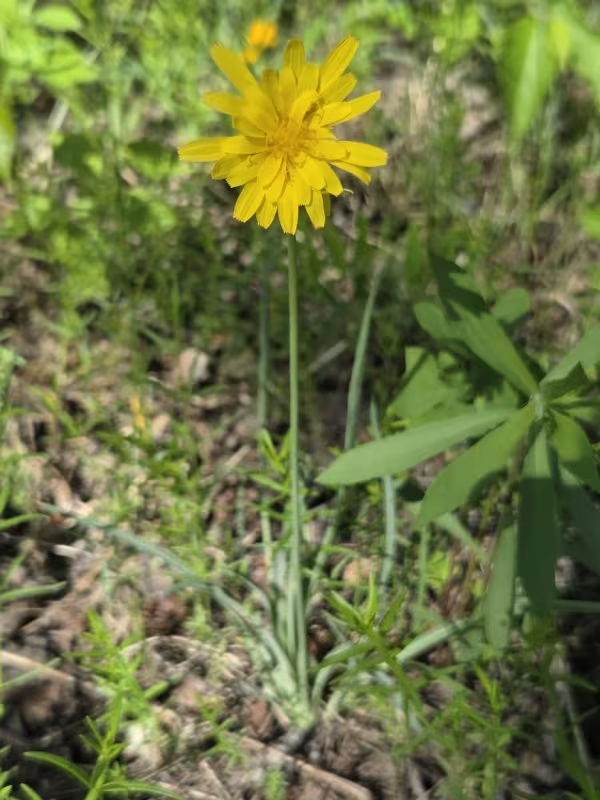
Pale agoseris (Agoseris glauca) is a perennial herbaceous plant belonging to the Asteraceae family. It is recognized for its lanceolate, often glaucous leaves and yellow flower heads that resemble dandelion blossoms, typical of high-latitude or high-altitude flora.
The native habitat of this species includes various ecosystems across North America, ranging from meadows and prairies to subalpine regions. Its ability to thrive in diverse environments demonstrates a significant level of physiological adaptability to fluctuating temperatures.
The crop thrives in well-drained soils, preferring loamy or rocky compositions that prevent waterlogging. Solar exposure is a critical factor for successful growth; the plant requires full sun to maintain healthy vigor and optimal development of the root system.
Regarding climatic conditions, the plant displays high cold tolerance, which is essential for survival in mountainous and northern regions. It is well-adapted to the seasonal cycles of its native environment, exhibiting dormancy during unfavorable periods.
From an agricultural standpoint, the plant is evaluated for its potential role in range management and restoration ecology. While not a primary commercial crop, it is a valuable component in natural grazing lands, contributing to ecosystem diversity.
Main diseases and pests
The primary threats to the cultivation of Agoseris glauca include various root rot pathogens, which are particularly prevalent in compacted or poorly drained soils. These infections can severely compromise the plant's stability and survival during spring thaw periods.
Insect pests, such as aphids and leaf-feeding larvae, represent a consistent challenge during the active growing season. Significant infestations can lead to reduced biomass production and weakened plant immunity, making the crop susceptible to secondary infections.
Competition from aggressive weed species is a notable concern, especially during the establishment phase of the crop. Without proper site preparation and weeding, young plants can be easily outcompeted for nutrients and sunlight.
Environmental stress, particularly prolonged drought combined with intense heat, can trigger early senescence. This physiological response reduces the overall nutritional value of the foliage when used for forage purposes.
Effective management strategies require a combination of preventative agricultural practices, including soil analysis and regular monitoring for pests. Maintaining optimal plant density is also critical for reducing the spread of diseases within the field.