
Agave letonae
Agave letonae
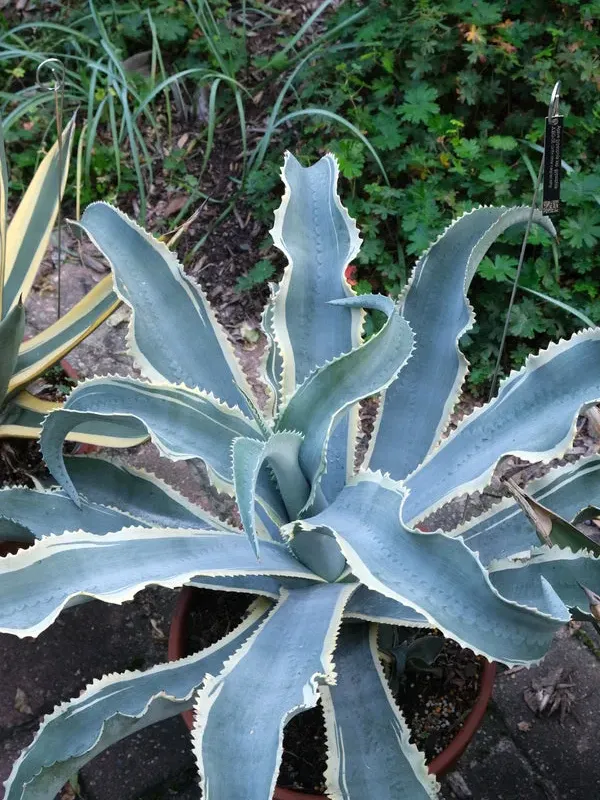
Description
Growing requirements
Agave letonae is a perennial succulent belonging to the Asparagaceae family. This species is native to the arid tropical regions of Central America, specifically adapted to the environment of El Salvador.
The plant requires full sun exposure to thrive, as solar radiation is critical for the metabolic processes that produce its fibrous leaf structure. Shade or excessive canopy cover significantly reduces plant growth rates.
Ideal soil conditions include well-drained, porous, and aerated substrates. Agave letonae is extremely susceptible to root rot, which occurs rapidly in heavy, waterlogged clay soils, making drainage management essential.
Biologically, the plant has evolved to survive extended droughts by storing water within its succulent tissues. This physiological trait makes it a resilient crop for arid climates with irregular rainfall patterns.
Temperature requirements for optimal development range between 22 and 30 degrees Celsius. The plant lacks cold tolerance, and exposure to frost will permanently damage its tissues and reduce its industrial yield potential.
Harvesting
The primary economic value of Agave letonae lies in the extraction of high-quality vegetable fiber from its leaves. This fiber is obtained through a mechanical process known as decortication.
Harvesting involves selecting and cutting the lower, mature leaves that contain the highest concentration of mature fiber cells. Typically, plants reach maturity for the first harvest after several years.
Post-harvest processing is highly time-sensitive. Freshly cut leaves must be processed immediately to prevent microbial degradation and fermentation, which could otherwise weaken the fiber strength.
The resulting fibers are highly prized in the textile and logistics industries for their superior tensile strength, durability, and resistance to environmental factors like UV light and moisture.
Proper harvest management ensures the longevity of the plantation, allowing for decades of sustained production from the same site while maintaining the structural health of the agave plants.