
Agave ghiesbreghtii
Agave ghiesbreghtii
Description
Growing requirements
Agave ghiesbreghtii is a perennial succulent plant belonging to the Asparagaceae family. It is native to the mountainous regions of Mexico, primarily found in the states of Chiapas and Oaxaca.
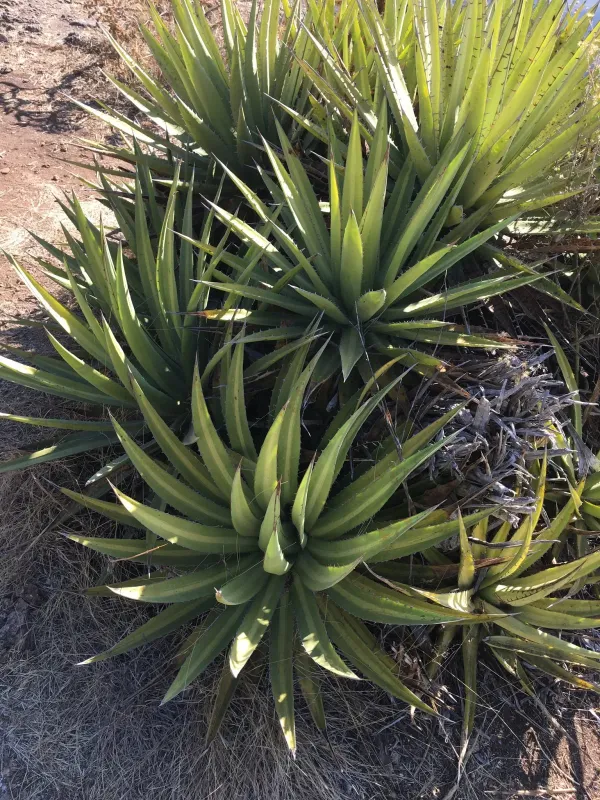
This species is characterized by its distinctively serrated leaf margins and a robust, compact rosette growth habit. Its botanical structure is adapted to harsh, arid environments with limited moisture availability.
Cultivation requirements necessitate well-draining, mineral-rich soil to prevent root asphyxiation. A substrate mixture containing pumice, sand, and small amounts of organic matter is ideal for healthy development.
The plant thrives under direct sunlight, which is essential for maintaining its structural integrity. In indoor cultivation, placing the plant in a south-facing window or using supplemental grow lights is highly recommended.
Economically, Agave ghiesbreghtii serves primarily as an ornamental specimen for xeriscape gardens and private succulent collections due to its striking appearance and relative ease of maintenance.
Main diseases and pests
The most significant threat to the health of Agave ghiesbreghtii is root rot, which is triggered by excessive moisture and poor soil aeration.
Pests such as mealybugs and spider mites are frequent invaders, often targeting the delicate crevices between the leaves where they feed on sap.
To control these pests, periodic monitoring and the application of horticultural oils or specialized insecticides are necessary to prevent infestations.
Fungal pathogens may also affect the leaf tissues if humidity remains consistently high, necessitating the use of systemic fungicides in severe cases.
Proper sanitation practices, including the removal of dead leaf material and ensuring adequate airflow, are the best preventative measures against most biological threats.