
Aganope thyrsiflora
Aganope thyrsiflora
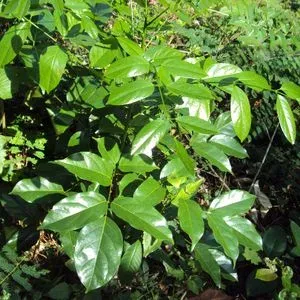
Description
Growing requirements
Aganope thyrsiflora is a woody climber species belonging to the Fabaceae family. As a vigorous liana, it thrives in tropical environments, utilizing its natural climbing ability to reach the forest canopy.
Originating from the tropical regions of West and Central Africa, this plant is well-adapted to humid ecosystems. It typically grows in moist forest areas, riverbanks, and transitional zones where resources are abundant.
Regarding soil requirements, the plant prefers fertile and well-drained substrates. Because of its large biomass accumulation, it requires significant nutrient availability to support both its vegetative growth and the development of its sturdy vines.
Climate demands involve stable high temperatures and high precipitation levels. It does not possess adaptations for frost resistance, meaning it is strictly limited to tropical or subtropical zones with year-round warmth.
In terms of economic importance, the wood of Aganope thyrsiflora is recognized for its durability. Local communities traditionally use it for construction and structural purposes, while its nitrogen-fixing capabilities benefit the surrounding soil fertility.
Main diseases and pests
Fungal infections represent a major threat to the health of the plant, especially in areas where stagnant air and high humidity are prevalent. These pathogens can cause spots on foliage and potentially stem rot.
Insect pests include various species of defoliating beetles and borers. These insects target the stems and leaves, which can lead to structural weakening if the infestation is severe and left untreated.
Effective management strategies include regular scouting and sanitation. By removing decaying leaves and preventing overgrowth, farmers can significantly reduce the pressure from common tropical pests.
Root-knot nematodes can also affect the vitality of the plant by disrupting nutrient uptake. Maintaining soil health through organic amendments helps the plant develop a robust root system to resist such stress.
Preventative chemical treatments are rarely used in native forest management but can be considered in intensive agroforestry systems. However, integrated pest management remains the most sustainable approach for this species.