
Aganope heptaphylla
Aganope heptaphylla
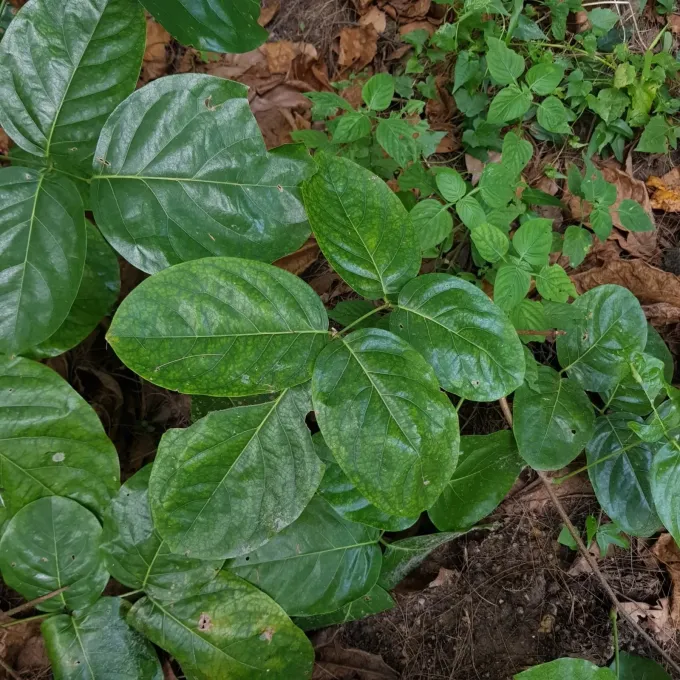
Description
Growing requirements
Aganope heptaphylla is a woody vine belonging to the Fabaceae family. This species is a characteristic member of mangrove forests and coastal zones throughout tropical regions of Asia, playing a vital role in local ecosystems.
In its natural habitat, the crop prefers moist, marshy soils rich in organic matter. It exhibits remarkable adaptation to waterlogged and saline conditions, which makes it a unique and resilient component of coastal vegetation.
For optimal development, the plant requires a consistently hot and humid tropical climate without significant seasonal temperature variations. It is highly sensitive to cold temperatures and needs protection from chilling winds.
The soil must be rich in nutrients, possess a loose structure, and provide efficient drainage, despite the plant's known tolerance to wet environments. A slightly acidic to neutral pH is considered ideal for root health.
As a legume, the plant possesses a high capacity for nitrogen fixation, which significantly improves the fertility of the substrate and promotes the development of beneficial soil microflora.
Yield
The agricultural and medicinal use of Aganope heptaphylla involves the utilization of its roots and leaves in traditional medicine for treating various inflammatory conditions. In some regions, its timber is utilized for local construction or as a source of biomass.
The plant is valued for its specific content of flavonoids and alkaloids, which are currently being studied in pharmacological research to develop new antimicrobial and anti-inflammatory pharmaceutical agents.
Harvesting of wild-growing resources is traditionally performed by local communities, adhering to ancient practices that ensure the long-term conservation of the species within its natural environment.
Due to its rapid biomass accumulation, the vine is effectively used in programs aimed at restoring degraded mangrove areas, thereby increasing the overall productivity and stability of coastal ecosystems.
The economic potential of this crop is currently viewed through the lens of sustainable forestry and the protection of biodiversity in fragile tropical coastal regions.
Main diseases and pests
The primary threat to this species is the human-induced destruction of mangrove forests, particularly clearing for aquaculture purposes such as shrimp farming, which significantly reduces its natural range.
Common biological issues include fungal pathogen infestations on the leaves, which flourish under conditions of extreme humidity and stagnant air circulation common in dense tropical thickets.
Pests, such as leaf-eating insects and specific types of scale insects, can inflict considerable damage on young shoots, thereby hindering the growth and development of the vine during the active season.
Alterations in water salinity due to global warming and rising sea levels also negatively impact the long-term viability of the culture in several of its native growing zones.
To protect populations, it is recommended to implement systematic leaf monitoring and utilize biological control methods, avoiding the application of harsh chemical pesticides that could harm the ecosystem.