
Aeschynanthus radicans tricolor
Aeschynanthus radicans Jack x A. tricolor Hook.
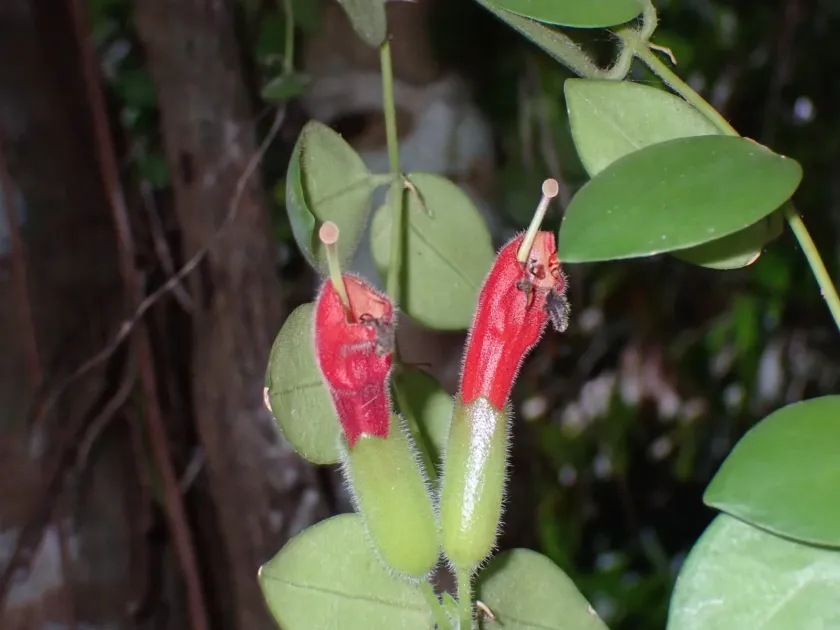
Description
Growing requirements
Aeschynanthus radicans tricolor is a stunning epiphytic plant belonging to the Gesneriaceae family. Originating from the tropical rainforests of Southeast Asia, it naturally thrives in high-humidity environments, growing on trees and rock crevices. It is widely cultivated for its attractive trailing habit and vibrant, multicolored tubular flowers.
The botanical structure consists of succulent, dark green leaves and long, flexible stems that can reach significant lengths. The 'tricolor' variety is distinguished by its unique floral coloration, featuring a mix of hues that enhance its ornamental value in commercial and private collections.
Successful cultivation requires bright, indirect light to encourage blooming. Direct sunlight should be avoided as it can scorch the delicate foliage. The ideal climate temperature ranges between +20°C and +25°C, ensuring the environment remains frost-free at all times to maintain physiological processes.
Soil requirements are strict, necessitating a well-draining, aerated substrate, similar to that used for orchids. A mixture of peat, perlite, and pine bark is recommended. This composition ensures that oxygen reaches the roots, preventing suffocation and promoting a healthy root system in the epiphytic plant.
A key aspect of agronomic care is managing ambient moisture. The plant thrives in humidity levels of 60% or higher. Regular misting and the use of pebble trays are recommended, especially during the indoor heating season, to ensure the plant does not lose turgor or experience leaf drop.
Main diseases and pests
Common pests affecting this crop include spider mites, mealybugs, and aphids, which often settle on the underside of the leaves. Monitoring is essential; if an infestation is detected, soap solutions or appropriate specialized insecticides should be applied to eliminate the pest population.
Fungal diseases and root rot are the primary threats caused by waterlogged soil and poor drainage. Proper cultural practices, such as ensuring the substrate dries slightly between waterings and providing excellent air circulation, are the most effective preventive measures against these common plant pathogens.