
Aeschynanthus parvifolius
Aeschynanthus parvifolius R. Br.
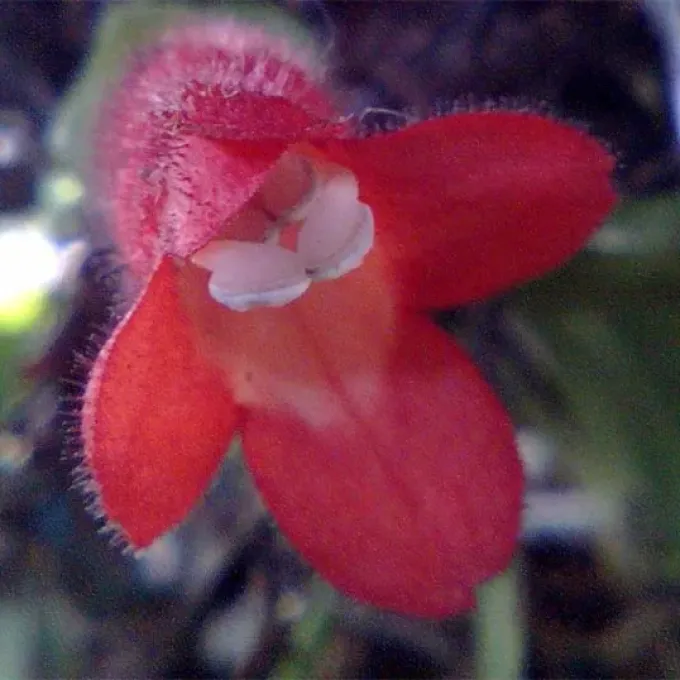
Description
Growing requirements
Aeschynanthus parvifolius is a notable member of the Gesneriaceae family. Originating from the tropical regions of Southeast Asia, this epiphytic plant has adapted to high humidity environments where it grows on tree branches, thriving in dappled sunlight.
To cultivate this species successfully, the grower must mimic its native environment by maintaining temperatures between 20 °C and 25 °C. The plant is sensitive to thermal shocks, which can easily trigger leaf drop or stunt overall growth and development.
The potting medium must be highly porous and well-aerated, resembling the organic debris found in tropical forests. A mixture containing orchid bark, perlite, and sphagnum peat is ideal to ensure optimal drainage and prevent the roots from becoming waterlogged.
Light intensity is a key factor in the development of Aeschynanthus parvifolius. While it thrives in bright light, exposure to direct, harsh sunshine must be avoided to prevent foliar damage. Diffused light or partial shade is sufficient for healthy vegetative growth.
Irrigation should be performed with soft water, ensuring that the substrate remains consistently moist but never waterlogged. High ambient humidity is essential, and growers should implement misting or use humidifiers to maintain a consistent atmosphere around the foliage.
Main diseases and pests
Spider mites are the most common pest associated with Aeschynanthus parvifolius, particularly in environments with poor ventilation and low relative humidity. Regular inspection of the undersides of leaves is vital for early detection of these pests.
Mealybugs are another potential threat, often clustering in the leaf axils. When detected, they should be managed with systemic insecticides or manual removal using cotton swabs soaked in rubbing alcohol to prevent further infestation.
Root rot is a major physiological threat often resulting from poor irrigation management or the use of heavy, compact soil. It is characterized by wilting despite moist soil, requiring immediate attention to the drainage system and a possible reduction in watering frequency.
Fungal leaf spot diseases can occur when the foliage remains wet for extended periods in cool, stagnant air. Improving air circulation is the primary cultural practice to mitigate the spread of such pathogens and maintain plant health.
Proper sanitation, including the removal of dead foliage and maintaining clean growing areas, significantly reduces the likelihood of outbreaks. Integrating biological control agents can also be an effective strategy in professional greenhouse settings.