
Rufus kiwi
Actinidia rufa (Siebold & Zucc.) Planch. ex Miq.
Description
Growing requirements
Actinidia rufa, commonly known as Rufus kiwi, is a perennial woody vine belonging to the Actinidiaceae family. It is native to temperate and subtropical regions of East Asia, primarily found in Japan, Korea, and China.
The plant thrives in well-drained, fertile soils with a slightly acidic to neutral pH. It requires a location that provides ample sunlight, although partial shade is recommended for young plants to prevent heat stress during peak summer hours.
Climatic requirements involve moderate humidity and a long growing season. While it is somewhat hardy, protection from severe winter frosts is essential in northern regions to ensure the survival of the vine's structure.
As a vigorous climber, Actinidia rufa necessitates sturdy support structures such as trellises or arbors. Proper pruning is essential to maintain plant health and encourage the growth of fruit-bearing wood.
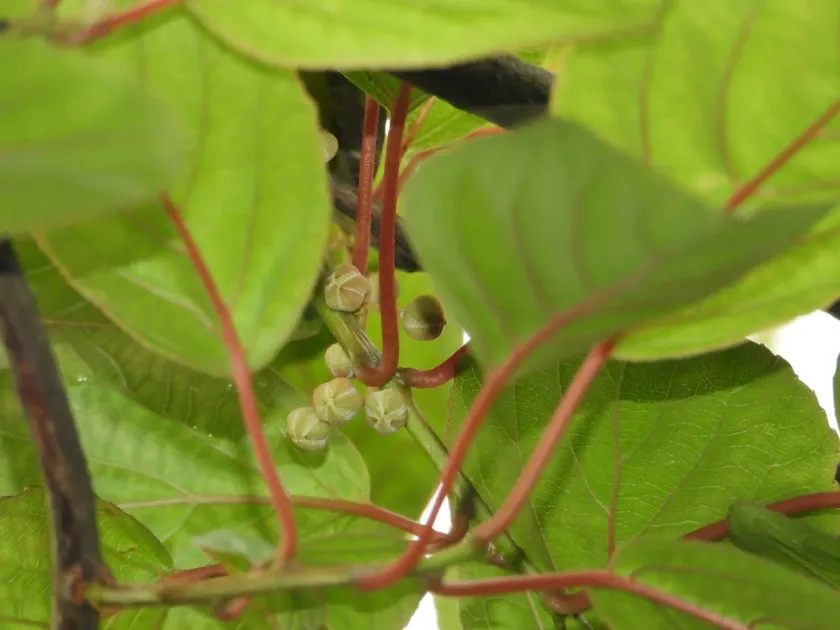
The botanical characteristics include distinctive reddish-brown hairs on the stems, which contribute to the species' unique appearance and its scientific naming.
Yield
The primary economic and horticultural goal of growing Rufus kiwi is the production of edible berries, which are valued for their nutrient-dense composition and unique flavor profile.
Because the species is dioecious, pollination is a critical factor for success. Growers must ensure that both staminate (male) and pistillate (female) plants are present in the orchard to ensure fruit set.
Harvesting is typically performed by hand once the fruit reaches the appropriate stage of maturity. The fruit is delicate and requires careful handling to prevent bruising, which can affect shelf life and market value.
In addition to fresh consumption, the fruits are suitable for processing into jams, jellies, and desserts, offering a specialized product for niche agricultural markets.
Continued research into the species aims to improve fruit size and yield through selective breeding, making it a more viable option for commercial scale production.
Main diseases and pests
Fungal diseases related to high humidity and poor air circulation are the most common threats to the health of the vine. Managing the canopy through strategic pruning is the most effective preventative measure.
Root rot, often caused by excessive water retention in the soil, can severely damage the plant. Maintaining proper soil drainage and avoiding over-irrigation are vital for long-term vine survival.
Pests such as mites and aphids may attack the foliage, especially under stress conditions like drought. Integrated pest management strategies are recommended to maintain plant vitality.
Frost damage during the early spring can destroy newly emerged buds, significantly impacting the seasonal harvest. Covering young growth during unexpected temperature drops is a standard practice.
Routine inspections and soil maintenance are the best defenses against both abiotic and biotic threats, ensuring the plant remains productive for many years.