
Golden leather fern
Acrostichum aureum
Description
Growing requirements
The Golden leather fern (Acrostichum aureum) is a large, hardy species of fern in the family Pteridaceae. It is distinguished by its unique ability to thrive in mangrove swamps and brackish environments, making it one of the few ferns adapted to high salt concentrations.
The species is native to tropical and subtropical regions across the globe, including coastal areas of Africa, Asia, the Americas, and Australia. It typically colonizes areas that are subjected to regular tidal influence, playing a key role in the stability of coastal fringe vegetation.
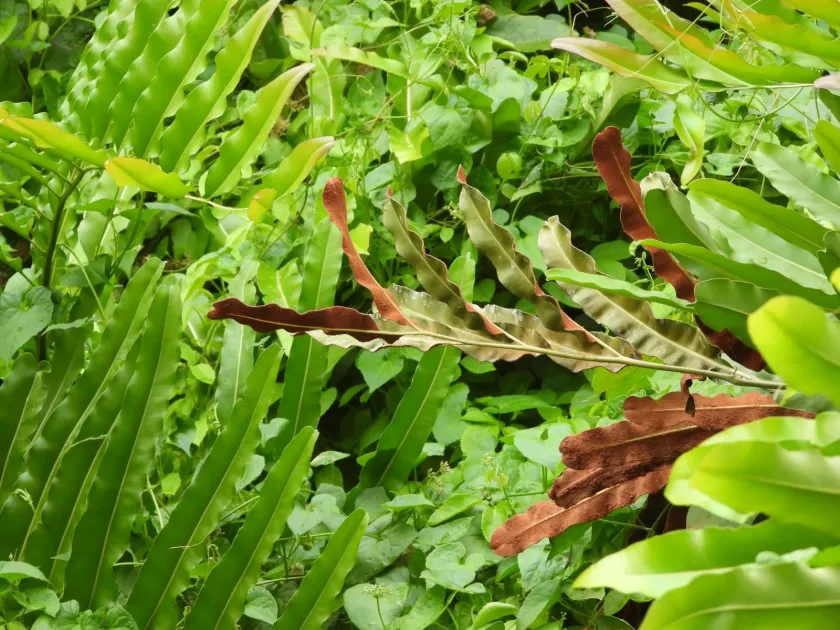
Botanically, the plant is characterized by a thick rhizome and large, pinnate fronds that can grow up to several meters in height. The fertile fronds, covered in brown sporangia on the underside, provide the golden appearance from which the plant derives its common name.
Environmental requirements for this species are specific: it demands high humidity, consistent moisture in the root zone, and warm tropical temperatures. It is highly tolerant of saline conditions, using specialized cellular mechanisms to exclude or manage salt accumulation in its tissues.
Commercially, the fronds are used in traditional handicrafts, weaving, and construction. Furthermore, the Golden leather fern is essential for ecological restoration projects, as its root system is highly efficient at stabilizing muddy substrates and preventing coastal erosion in mangrove zones.
Main diseases and pests
The primary threats to Acrostichum aureum involve habitat degradation, particularly the conversion of mangrove ecosystems into aquaculture ponds. Pollution from urban run-off and agricultural chemicals also poses a significant risk to the health and reproductive cycle of these ferns.
While the plant is naturally resistant to many pests, it can be susceptible to fungal infections in non-native or controlled environments with poor drainage. Maintaining proper water flow and preventing stagnant conditions is crucial for preventing root rot and ensuring the long-term vitality of the culture.