
Acrostichum ellipticum
Acrostichum ellipticum
Description
Growing requirements
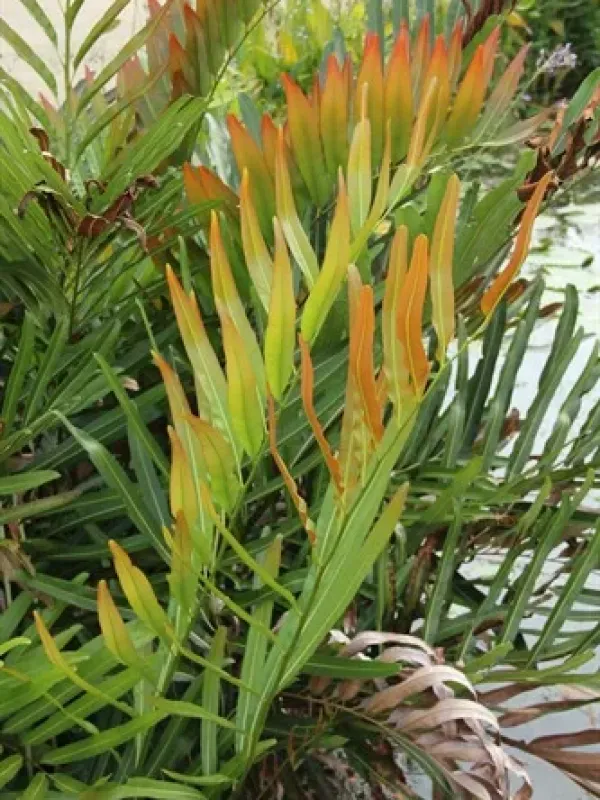
Acrostichum ellipticum is a distinctive tropical fern belonging to the Pteridaceae family. Native to the humid rainforests of Central and South America, it thrives in environments characterized by high ambient moisture and stable tropical temperatures.
This fern requires specific microclimatic conditions to reach its full size. Ideal growth occurs in temperatures ranging between 20°C and 28°C, with a strict requirement for high humidity levels to prevent the drying of its large, leathery fronds.
In terms of soil, it demands a loose, well-draining substrate rich in organic matter. An acidic or neutral pH level is generally preferred, mimicking the forest floor conditions where the plant naturally establishes its root system.
Botanically, Acrostichum ellipticum is recognized by its broad, elliptic leaves that exhibit a robust, creeping rhizome structure. The plant serves as an essential part of the ecosystem, providing structure and cover in its natural habitat.
In terms of human use, the species is cultivated primarily as a botanical specimen in tropical greenhouses and conservatory gardens. Its aesthetic appeal lies in its grand scale and structural foliage, making it a focal point in indoor landscapes.
Main diseases and pests
Common phytopathological threats include various root rot fungi, often triggered by waterlogged soil conditions and poor air circulation. Over-watering is the most frequent cause of health decline in managed greenhouse environments.
Pest management is a critical aspect of Acrostichum ellipticum care, as scale insects and spider mites frequently target the plant. Spider mites, in particular, are a risk in environments where humidity levels are allowed to drop.
Mechanical damage to the fronds can also create entry points for secondary infections. Therefore, it is important to handle the plants with care during maintenance, such as repotting or pruning damaged sections.
Exposure to direct, intense sunlight can lead to leaf scorch, damaging the chlorophyll-rich tissues. Maintaining a shaded or dappled light environment is necessary to preserve the plant's deep green coloration and overall health.
Preventive maintenance involves regular inspection of the fronds for pest signs and ensuring the growing medium stays moist but never soggy. Utilizing balanced, dilute fertilizers during the growing season supports the plant's metabolic needs.