
Acrocomia crispa
Acrocomia crispa
Description
Growing requirements
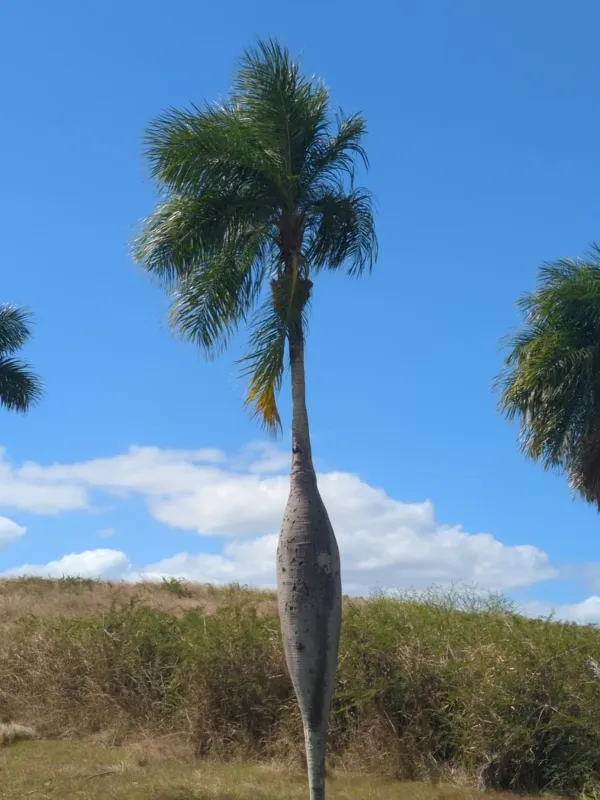
Acrocomia crispa, commonly known as the belly palm, belongs to the Arecaceae family. This species is native to Cuba and is recognized by its distinctively swollen, spiny trunk and elegant, arching feathery fronds that provide it with a unique architectural profile.
The cultivation of this palm requires a tropical climate with high levels of solar radiation. It thrives best in well-lit environments, as it is highly photophilous and lacks the ability to compete effectively in shaded areas, which can lead to etiolation.
Regarding soil requirements, the species is best adapted to light, well-draining soils. It is critical to avoid waterlogged conditions, as the root system of this palm is prone to rotting when exposed to prolonged dampness or poorly aerated substrates.
Temperature management is crucial, as the plant is intolerant to frost and cold snaps. Ideal growth occurs in constant warmth, which promotes the metabolic processes necessary for the development of its fibrous leaves and fruit production.
Economically, Acrocomia crispa is valued for its potential in fiber production and oil extraction from its seeds. Its structural durability and aesthetic appeal also make it a candidate for integration into diversified tropical agricultural systems.
Main diseases and pests
Fungal pathogens represent the primary biological threat to this crop. Root rot, caused by various soil-borne fungi, often stems from poor drainage or excessive irrigation, necessitating strict control over moisture levels in the growing medium.
Insect pests, particularly scale insects and various species of palm weevils, pose a constant risk. These pests often target the apical meristem, potentially causing irreversible damage if not detected and addressed during the early stages of an infestation.
Preventive maintenance, including the systematic removal of decaying organic material from around the base of the trunk, significantly reduces the likelihood of pest outbreaks and fungal spread.
Nutrient deficiencies, particularly involving micronutrients like manganese or iron, can cause chlorosis. Maintaining a balanced fertilization schedule is essential for sustaining the tree’s physiological health and vigor.
In indoor or greenhouse settings, the spider mite is a major concern during periods of low humidity. Keeping the foliage clean and maintaining adequate air circulation are standard practices to prevent these infestations from escalating.