
Acrocomia aculeata
Acrocomia aculeata
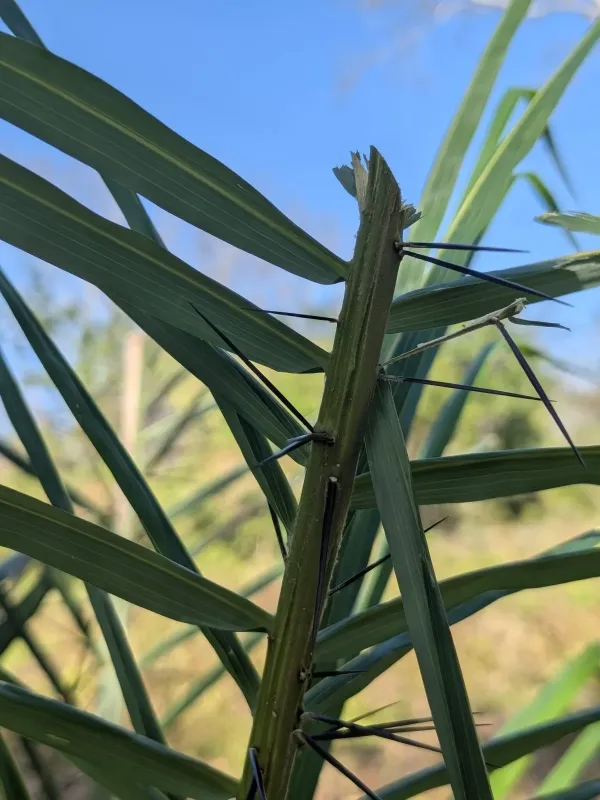
Description
Growing requirements
Acrocomia aculeata is a species of palm in the family Arecaceae, native to the tropical regions of the Americas. It is known for its extreme resilience and adaptability to various environmental conditions.
The crop thrives in well-drained soils and requires full sun exposure to reach maximum productivity. It is highly valued for its ability to grow in areas where traditional oil crops might struggle.
Temperature requirements include a tropical or subtropical climate, as the plant is sensitive to frost. It shows significant drought tolerance, making it an excellent candidate for sustainable agriculture in arid regions.
The morphology of the tree includes a distinctively spiny trunk, which serves as a natural deterrent to animals. The canopy consists of large, pinnate leaves that photosynthesize efficiently even in intense tropical heat.
Its хозяйственное usage is primarily focused on the extraction of high-quality oil from both the mesocarp and the kernels of the fruit. Additionally, the biomass is increasingly used for the development of renewable energy sources.
Yield
The yield of Acrocomia aculeata is noted for its exceptional potential compared to other oil-producing palm species. With proper management, oil extraction rates per hectare are highly competitive.
Fruit production typically begins 4 to 6 years after planting. The palms reach full maturity and peak production phases relatively quickly, ensuring long-term profitability for farmers.
Harvesting involves the collection of large fruit bunches. Modern machinery is increasingly used to handle the weight and the spiny nature of the tree, optimizing the efficiency of plantation operations.
Monitoring the ripeness of the fruit is essential to ensure maximum oil quality. Advanced agricultural sensors are becoming common in large-scale plantations to track harvest readiness automatically.
Selective breeding programs aim to improve fruit characteristics, including oil content and husk thickness. These efforts are driving the crop toward becoming a major pillar of tropical agriculture.
Main diseases and pests
Fungal diseases are a primary concern, especially in areas with poor drainage or excessive humidity. Maintaining healthy soil structure is the best preventative measure against root rot.
Pests like the palm weevil pose a significant threat, capable of boring into the trunk and damaging the growing point. Integrated pest management strategies are crucial for maintaining plantation health.
Nematode infestations in nurseries can devastate young seedlings. Strict sanitary protocols for potting soil and water management are required to prevent spread in the early stages.
Viral infections can affect tree vigor and fruit development. Careful monitoring of plant health and removing infected trees helps to keep the plantation productive and safe.
Competition from weeds during the first years of growth can stunt the palm's development. Effective weed control programs are necessary to ensure the saplings have sufficient resources.