
What is desiccation and why is it needed?
Desiccation is an agrotechnical method in which plants are treated with special agents, known as desiccants, to accelerate ripening and drying before harvest.
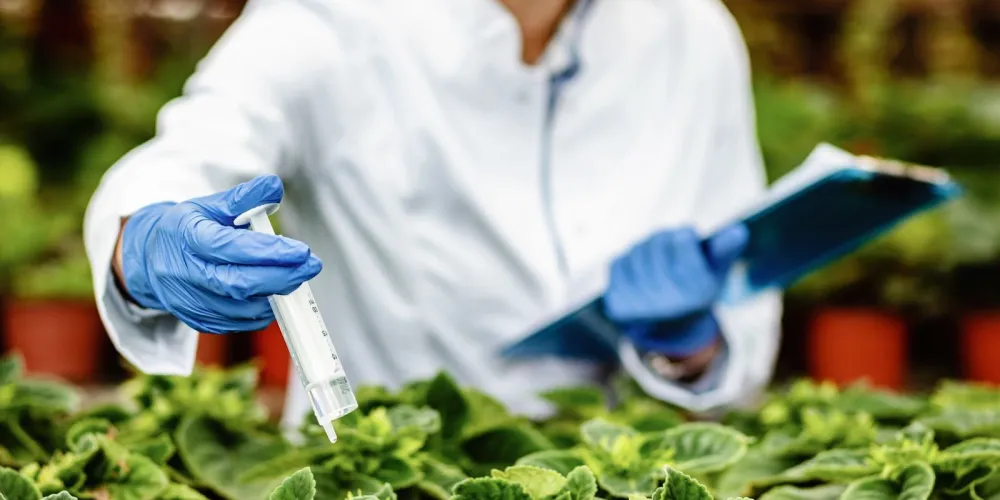
Desiccation — this is an agrotechnical method in which plants are treated with special agents, known as desiccants, to accelerate ripening and drying before harvest. This process is especially important for crops that cannot ripen evenly or have high moisture content, for example, sunflower, soybean, rapeseed, and others.
Before buying desiccants, familiarize yourself with the specific purposes of their use:
- Desiccation helps synchronize ripening of plants, making harvest more efficient;
- Use of agents reduces the moisture content of grain and seeds, simplifying their further processing and storage;
- Desiccation prevents germination of seeds, spread of weeds, and development of diseases, which is especially important during wet weather;
- Dried plants are easier to harvest, minimizing damage to agricultural machinery and saving time.
Desiccation has many advantages. It saves time, as simultaneous ripening of crops allows reducing harvest periods.
Reducing moisture protects the harvest from mold and spoilage during storage. Additionally, desiccants are applicable to various crops, including cereals, oilseed crops, and vegetables.
Desiccation requires financial investment in agents and additional equipment, and improper dosage or application may damage plants. It is also important to understand that agents may remain on the harvest, requiring adherence to waiting periods before harvest.
Rules for applying desiccants
Desiccants work by disrupting metabolic processes in plants, leading to rapid drying of their parts. This effectively removes excess moisture, helping prevent fungal diseases and reducing the risk of harvest spoilage. Many desiccants have herbicidal properties, allowing simultaneous weed control, making their application more cost-effective. Choosing agents should take into account the specific features of the crop, type of soil, climatic conditions, and recommendations from specialists to achieve optimal results.
When selecting the best agent, it is important to follow the manufacturer's recommendations to avoid negative consequences. Treatment is carried out several days before planned harvest and depends on the crop.
Desiccation is especially effective during rainy seasons when ripening slows down due to excess moisture. It is also relevant when synchronizing ripening over large fields to avoid excessive time and resource expenditure.
Desiccation is considered an important tool for optimizing agricultural work, but this process requires a proper approach and adherence to technology. Proper use of desiccants allows improving the quality and quantity of the harvest, as well as minimizing risks associated with weather conditions and pests.
Editorial team agronom.info
Materials are prepared by the portal's agronomists and editors. We use only trusted sources: Ukrainian agricultural universities, variety registries, open scientific publications.
Related articles

Not yet comments. Be the first!
Comments · 0