
What is the real difference between 2.5% milk and 3.2% milk?
The difference between 2.5% and 3.2% seems minimal - only 0.7%. Many people take the usual package of milk and don’t think about whether this figure affects the taste, benefits and cooking. In fact, fat content changes the texture, richness,…
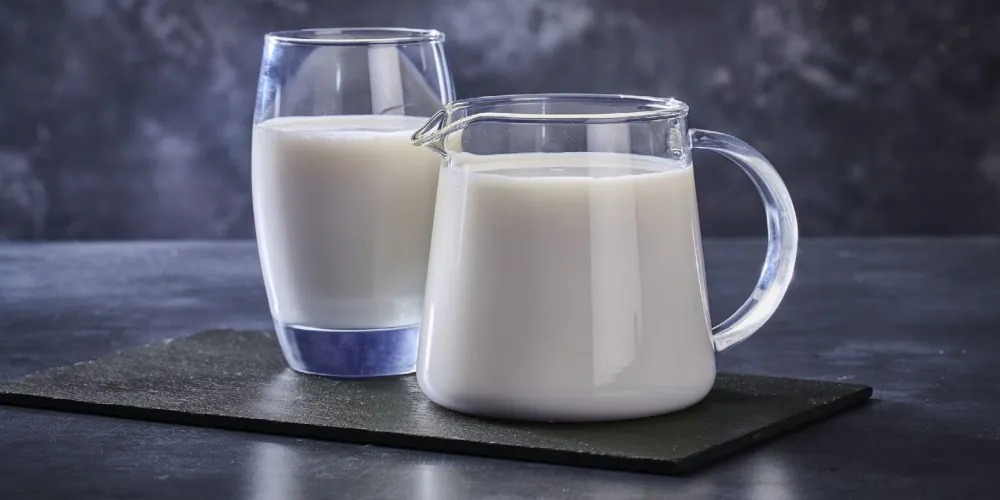
The difference between 2.5% and 3.2% seems minimal - only 0.7%. Many people take the usual package of milk and don’t think about whether this figure affects the taste, benefits and cooking. In fact, fat content changes the texture, richness, and even the way milk behaves in coffee or dough.
The percentage on the package is the milk fat content. The rest of the composition of these options is almost the same: proteins, lactose, calcium, B vitamins. However, it is fat that creates the feeling of “density” and creaminess.
Taste and mouthfeel
If you compare two glasses blindly, you can feel the difference. 3.2% milk is denser and softer, with a more pronounced creamy note. 2.5% is perceived easier, sometimes a little less sweet.
When choosing a product, many are guided by habit or calorie content. The stores offer a wide range of different fat contents, and you can buy milk in the Dnieper taking into account specific tasks - for coffee, porridge or baking.
The key differences are felt in several points:
- 3.2% gives a richer taste;
- 2.5% lighter in texture;
- higher fat content enhances the sensation of sweetness.
The difference in calories is approximately 6–8 kcal per 100 ml. This is not critical to the diet, but may be important for those who are careful about their diet.
Behavior in cooking
Fat is not only about taste, but also about functionality. In cooking, it works as a conductor of texture and flavor.
- Coffee and cappuccino. Milk 3.2% whips better and forms a more stable foam. Baristas often choose it for latte art.
- Baking. A fatter option makes the dough softer and adds richness to the creams.
- Porridges and sauces. 3.2% creates a creamier consistency, while 2.5% is suitable for light dishes.
- Diet menu. 2.5% is chosen by those who seek to reduce overall calorie content while maintaining taste.
If you drink milk straight or add it to coffee, try 3.2% for a richer taste. For smoothies, light cereals or everyday use, 2.5% is suitable. In a child’s diet, a fattier option is often chosen unless there are special recommendations from a doctor.
Benefit and absorption
In terms of protein and calcium composition, 2.5% and 3.2% milk are almost identical. Vitamins A and D are fat-soluble, so their natural content is slightly higher in full-fat milk. However, manufacturers often enrich the product additionally, so you should pay attention to the label.
Fat also affects your feeling of fullness. A 3.2% glass can keep you feeling full longer, which can sometimes help you avoid unnecessary snacking. Pay attention to the type of processing - pasteurized or ultra-pasteurized - and shelf life.
The difference between 2.5% and 3.2% is a matter of texture, richness and culinary goals. It is small in numbers, but noticeable in taste.
Editorial team agronom.info
Materials are prepared by the portal's agronomists and editors. We use only trusted sources: Ukrainian agricultural universities, variety registries, open scientific publications.
Related articles



Not yet comments. Be the first!
Comments · 0