
The Importance of Seed Quality for Increasing Crop Yields
Seed quality directly affects crop yield and the efficiency of agricultural production. Using modern grain seeders ensures even seed distribution, optimal planting depth, and savings on seed material.
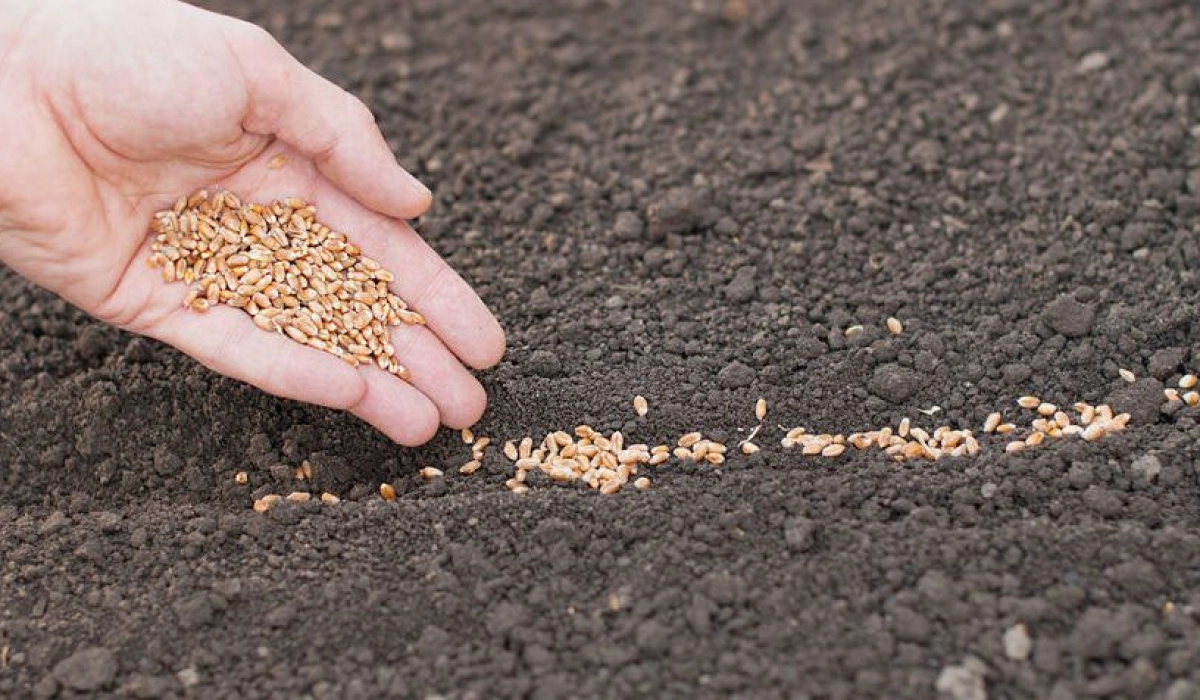
Seed quality directly affects crop yield and the efficiency of agricultural production. Using modern grain seeder ensures even seed distribution, optimal planting depth, and savings on seed material.
Modern Technologies in Seeders
Modern seeders are equipped with innovative seeding systems that increase accuracy and efficiency of planting operations. On the website https://smd58.ru/ you can find seeder models with advanced technologies meeting modern agricultural requirements.
Advantages of Quality Seeding
- Uniform Germination: ensures synchronized plant development.
- Resource Efficiency: reduces seed and fertilizer consumption.
- Increased Yield: creates optimal conditions for crop growth.
Factors Affecting Seed Quality
- Seeder Condition: proper equipment functionality and precise calibration.
- Soil Preparation: quality tillage before planting.
- Seed Quality: use of certified and tested seed material.
Recommendations for Farmers
- Regular Equipment Maintenance: timely inspection and adjustment of seeders.
- Operator Training: improving operator skills for planting machines.
- Planting Monitoring: continuous control and process adjustment during seeding.
Technologies Enhancing Seed Quality
Modern seeders are equipped with several innovations aimed at improving seed quality:
- Seeding Control Systems: provide real-time monitoring and adjustment of the seeding process.
- Precision Seeding Units: ensure accurate dosing and even seed distribution.
- Automatic Depth Adjustment: allows adaptation to different soil types without compromising quality.
Impact of Quality Seeding on Farm Economics
Quality seeding not only increases yield but also improves economic efficiency:
- Cost Reduction: reduces seed and fertilizer consumption due to precise seeding equipment.
- Increased Profitability: increased volume and quality of harvest lead to higher profits.
- Resource Optimization: efficient use of machinery and labor resources reduces overall costs.
Selecting the Right Seeder
When choosing a seeder, consider several key factors:
- Crop Type: seeders must match the characteristics of the crops being grown.
- Soil Characteristics: equipment must be adapted to soil type and condition.
- Technical Specifications: power, row width, and functional capabilities of the seeder are important.
Practical Tips for Improving Seed Quality
- Calibration: regular inspection and adjustment of seeding mechanisms.
- Use of High-Quality Seeds: selecting tested seed material with high germination rate.
- Prompt Maintenance: preventive maintenance to keep equipment in good condition.
The Role of Innovations in Agricultural Technology
Innovative solutions in agricultural technology enable new levels of productivity:
- Process Automation: reduces human error and increases work precision.
- Integration with GPS and GLONASS: use of navigation systems for accurate planting.
- Analytics and Big Data: using data to optimize agricultural practices.
Seed quality is a fundamental factor in achieving high crop yields and efficient agricultural production. Investing in modern grain seeders and applying advanced technologies have become an essential part of successful agribusiness.