
How to choose quality components for repairing agricultural machinery
Repairing agricultural machinery requires a careful approach, because the quality of each part affects not only the operation of an individual unit, but also the overall reliability of the machine in the field.
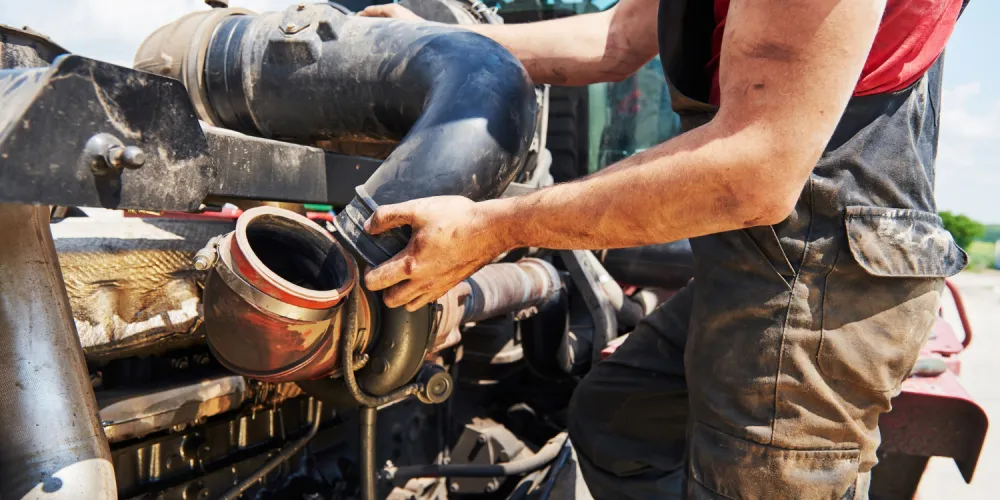
What to consider when choosing components for agricultural machinery
Repairing agricultural machinery requires a careful approach, because the quality of each part affects not only the operation of a separate unit, but also the overall reliability of the machine in the field. When a farmer selects spare parts for an MTZ tractor, it is important to look not only at the price, but also at compatibility, material, dimensional accuracy, and the operating conditions of the equipment.
Compatibility with the model and machinery unit
The first step in choosing components is checking whether they match a specific tractor, combine, or other agricultural machine model. Even if parts look similar, they may differ in mounting dimensions, metal thickness, fastening type, or working load. This is especially important for MTZ-80, MTZ-82, MTZ-892, MTZ-920, MTZ-1025, and MTZ-1221 tractors, where many units have their own design features.
When selecting parts for the engine, clutch, gearbox, axle, steering system, or linkage, it is advisable to rely on the catalog number, equipment modification, and the actual condition of the unit. This reduces the risk of error and helps avoid a situation where the part does not fit without additional adjustment.
What signs indicate a quality part
A high-quality component must withstand working loads, vibration, temperature changes, dust, dirt, and long-term operation in difficult conditions. This is especially important for agricultural machinery, because a breakdown during the peak season can lead to downtime and financial losses.
- accurate dimensions and neat processing of mounting areas;
- durable metal, rubber, or other material without visible defects;
- compliance of the part with a specific unit and machinery model;
- availability of marking, product code, or clear description;
- absence of play, cracks, chips, distortions, and signs of rough processing;
- possibility to receive consultation before purchase;
- availability of the part in stock for quick replacement.
Why you should not choose by price alone
A low price may seem attractive, but in agricultural machinery repair, overly cheap components often lead to repeated disassembly of the unit. For example, a weak bearing, poor-quality gasket, inaccurate linkage pin, or unsuitable bolt can quickly fail and damage neighboring elements.
It is much more profitable to choose parts based on service life and load. If a tractor works every day with attachments, carries loads, performs plowing, or is used for municipal tasks, saving money on important units can result in repairs to the axle, clutch, hydraulics, or gearbox.
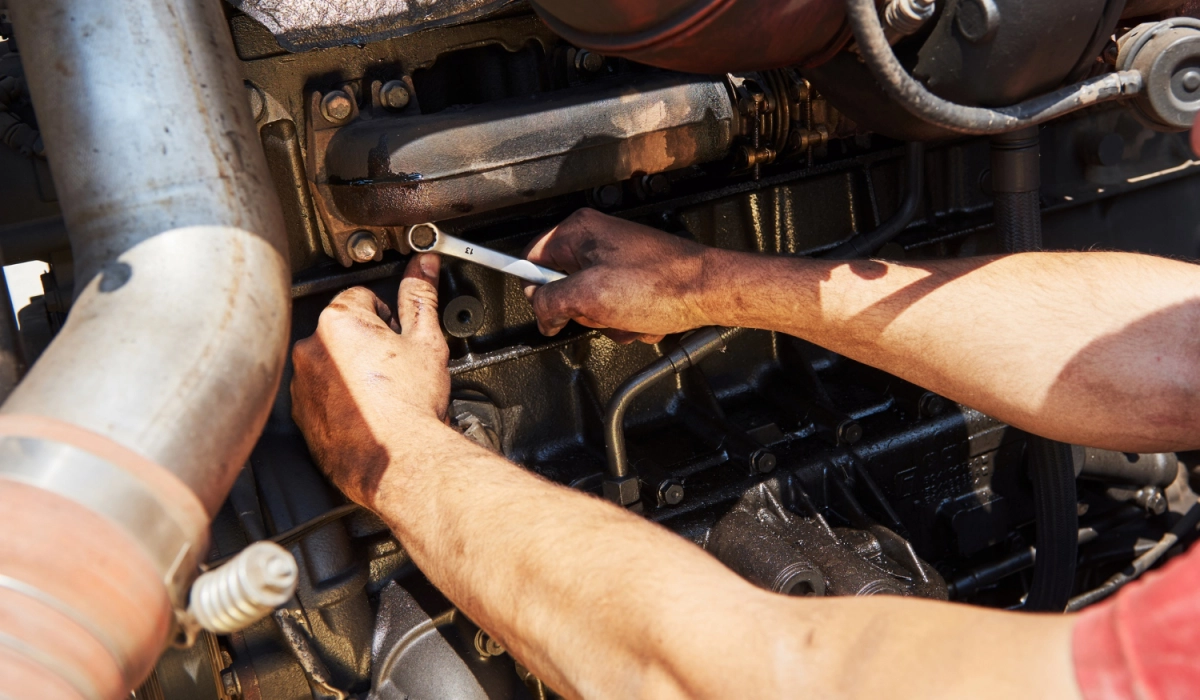
Parts for the engine, transmission, and chassis
The engine requires special attention because its operation directly affects power, fuel consumption, and the stability of the machine under load. For D-240, D-243, D-245, and D-260 engines, it is important to choose filters, mounts, gaskets, fuel system elements, and other components with exact compatibility in mind.
The transmission and clutch also do not tolerate random selection. If gears engage with effort, jerks, noise, or slipping appear, it is necessary to check the condition of the clutch, shafts, bearings, and fasteners. Parts in these units must fit tightly into place; otherwise, the load is distributed incorrectly and wear accelerates.
The chassis, axles, and steering system take constant impacts when moving across fields, dirt roads, and uneven areas. High-quality bushings, pins, wheel hub bolts, bearings, washers, rods, and fastening elements are especially important here. The stability of the machine, steering accuracy, and driver safety depend on their condition.
Linkage and hydraulics: why strength matters
Attached equipment creates a large load on the rear linkage, pins, rods, lugs, locking pins, and hydraulic cylinders. If these parts are made of weak metal or have inaccurate dimensions, they wear out faster, play appears, and the equipment starts working unstably.
The hydraulic system must hold pressure and ensure smooth operation of the units. Poor-quality seals, gaskets, or connecting elements can cause oil leaks, pressure drops, and problems when working with a plow, cultivator, seeder, or other equipment.
The role of consultation when buying
Even an experienced machine operator cannot always quickly determine the required modification of a part, especially if the machine has already been repaired before or has replaced units. Therefore, when choosing components, it is useful to contact a seller who understands the difference between MTZ models and can identify the part by code, purpose, or installation location.
Proper consultation helps avoid unnecessary expenses, speeds up repairs, and reduces the risk of returning the product. For seasonal machinery, this is especially important because during sowing, harvesting, or active fieldwork, every delay affects the result.
How to understand that the components were chosen correctly
A correctly selected part is installed without rough fitting, does not create distortions, does not interfere with neighboring elements, and corresponds to the load of a specific unit. After repair, the machinery should work more smoothly, without excessive noise, vibration, leaks, or unstable behavior under load.
During scheduled maintenance, it is better to check weak points in advance: the engine, gearbox, clutch, axles, braking system, steering system, hydraulics, and linkage. This approach allows components to be purchased not at the last moment, but before a serious breakdown, when repairs are cheaper and take less time.
Editorial team agronom.info
Materials are prepared by the portal's agronomists and editors. We use only trusted sources: Ukrainian agricultural universities, variety registries, open scientific publications.
Related articles
Features of selecting components for restoring the operability of agricultural machinery
Cultivator or Walk-Behind Tractor: Fundamental Differences and Technical Distinctions
Financial instruments for updating the agricultural technology fleet: choosing an optimal strategy
Not yet comments. Be the first!
Comments · 0