
How Does Buckwheat Bloom?
Buckwheat is a plant that people value not only for its nutritional properties, but also for its attractive appearance during blooming. Its delicate flowers create a unique white-pink carpet on fields, which looks no less impressive than orchards or fruit…
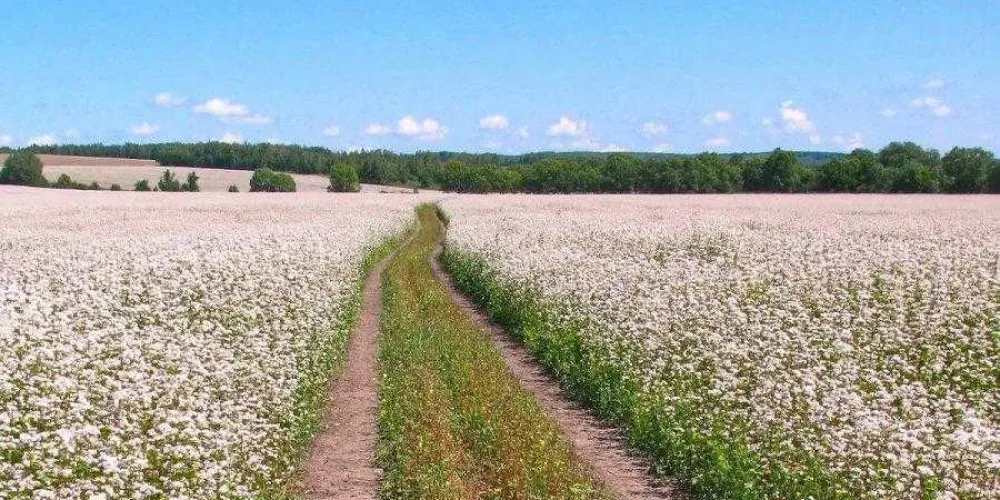
Buckwheat — this is a plant that people value not only for its nutritional properties, but also for its attractive appearance during blooming. Its delicate flowers create a unique white-pink carpet on fields, which looks no less impressive than orchards or fruit tree gardens. But behind this beauty lies an important agricultural process, which is the foundation for forming a good harvest.
When Does It Bloom?
Buckwheat blooms approximately 30-40 days after sowing. Usually, this occurs in June or July, depending on climatic conditions and sowing time. Flowering may last two to four weeks, during which the plant gradually releases new buds.
Flower Description
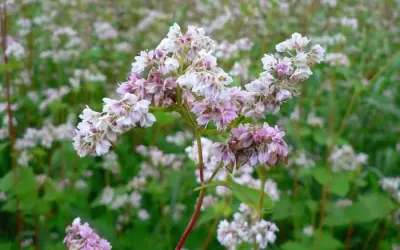
Buckwheat flowers are small, white, pink, or sometimes light green in color. They are arranged in inflorescences located at the tops of stems. Although individual flowers are small, when there are many on a field, they create a stunning effect. Typically, each flower has five petals, giving it simplicity and delicacy. Despite its outward modesty, the flowers are very important for pollination and seed formation.
Bloom and Pollination Process
Buckwheat is a honey-producing crop. This means that during its blooming, bees actively visit fields to collect nectar. Bees play an important role in pollinating buckwheat, since the flowers are capable of cross-pollination. This increases the chances of a good harvest. Due to the high interest of beekeepers in buckwheat fields, fields sown with this crop are often located near apiaries.
Interestingly, buckwheat flowers are only open during the day, when air temperature is sufficiently high. At night or during cooling, the flowers close, making the pollination process dependent on weather conditions.
Impact of Blooming on Yield
Buckwheat flowers are not only a beautiful sight, but also an important phase for the future harvest. The quality and quantity of blooms directly affect the amount of mature seeds. If conditions are unfavorable during blooming (for example, rain or cooling), this may negatively affect the yield.
Buckwheat as Food
Buckwheat is one of the most valuable products in the diet of many people due to its high nutritional value. It is rich in proteins, B vitamins, iron, magnesium, zinc, and other important trace elements. Buckwheat contains no gluten, making it an excellent choice for people with celiac disease or those following a gluten-free diet. Cooking buckwheat is easy and it is easily digestible, helping to maintain normal blood sugar levels and contributing to lowering cholesterol. Thanks to its versatility, buckwheat is used in various dishes: from porridge to soups, side dishes, and even salads.
Conclusion
Buckwheat blooming — this is a unique process that combines natural beauty and importance for agriculture. Anyone who has ever seen a field of blooming buckwheat is unlikely to forget this impression: delicate white and pink flowers under bright sunlight create a harmonious image of natural grandeur.
Editorial team agronom.info
Materials are prepared by the portal's agronomists and editors. We use only trusted sources: Ukrainian agricultural universities, variety registries, open scientific publications.
Related articles
Not yet comments. Be the first!
Comments · 0