
Ciliated gumweed
Grindelia ciliata
Description
How to tell it apart
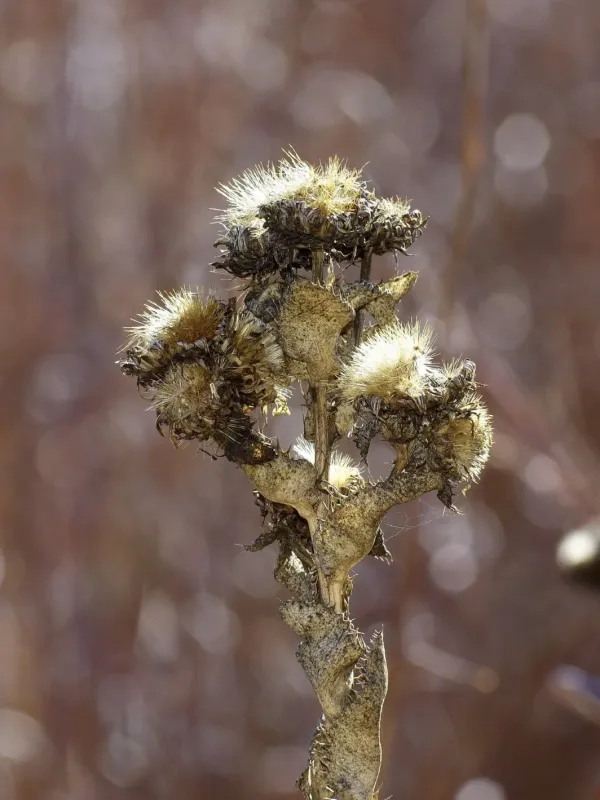
Ciliated gumweed is an annual herbaceous plant belonging to the Asteraceae family, recognized for its distinct resinous and sticky inflorescences.
The stems are erect, branched, and feature alternate lanceolate leaves with finely serrated margins that often possess small cilia or hairs.
Its bright yellow flower heads are surrounded by bracts covered in a sticky, gummy substance, which is a key identifying characteristic of the genus.
The plant typically grows to a height ranging between 30 and 100 centimeters, depending on soil fertility and moisture availability in the region.
It possesses a strong taproot system, allowing the plant to thrive in dry conditions where other competing plant species might struggle to survive.
Where it grows
Originating from North America, this species has become a widespread invasive weed in various agricultural regions throughout the world.
It frequently colonizes open, disturbed areas such as roadsides, railway embankments, abandoned fields, and sandy or gravelly soils.
In agricultural settings, it commonly invades row crops, grain fields, and managed pastures, taking advantage of lack of cover or soil disturbance.
The plant's ability to adapt to different soil types makes it a difficult species to manage in long-term agricultural landscape maintenance.
It spreads rapidly through seed dispersal, often carried by wind, water, or agricultural machinery moving between infected and clean fields.
Harm it causes
Ciliated gumweed acts as a highly competitive weed, stealing essential moisture and nutrients from the soil needed by surrounding crops.
Its vigorous vegetative growth in early development stages shades out young crop seedlings, potentially reducing the overall plant stand density.
The resinous, sticky substance on the plant can clog harvesting equipment, leading to significant delays and maintenance issues during the harvest season.
Contamination of harvested grain with plant debris can lower quality grades and negatively impact the market value of the agricultural production.
The weed can also serve as an alternative host for various agricultural pests and diseases, increasing the need for additional chemical treatments.
How to control
Integrated weed management is crucial, involving both mechanical and chemical control strategies to keep populations under manageable thresholds.
Cultural control, such as implementing a robust crop rotation, helps break the life cycle of this annual weed in affected farming areas.
Mechanical cultivation and timely mowing before the plant reaches the budding stage are effective ways to prevent seed production and spread.
Chemical control using systemic herbicides is most effective when applied at the rosette stage or early active growth phase of the weed.
- Strict sanitation protocols for cleaning farm equipment prevent the spread of seeds from infested fields to uninfested farmland.
Taxonomy
- Latin name
- Grindelia ciliata
- Family
- Прочие
- EPPO code
- HAPCI