
Reyllopia conollyana
Reyllopia conollyana
Description
How to tell it apart
Reyllopia conollyana is a herbaceous weed belonging to the Polygonaceae family. Morphologically, it exhibits the traits of a typical climbing or prostrate plant with a well-developed root system.
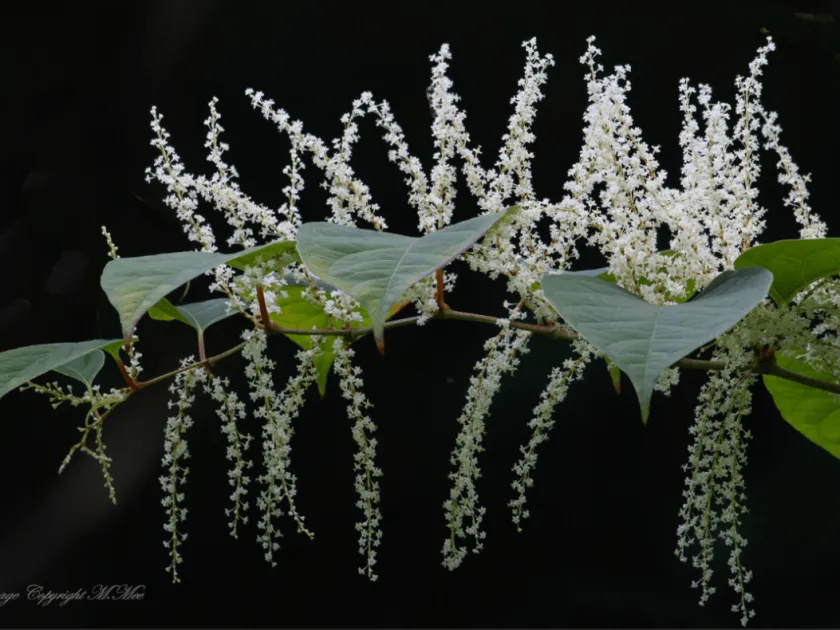
The stems of the plant are slender and prone to branching, which allows them to quickly form dense thickets on the soil surface or climb the stalks of cultivated plants. The leaves have a shape characteristic of the family, often with pointed tips.
The flowers are small, collected in loose inflorescences, and possess high fertility. The flowering period is prolonged, which ensures that the weed can form seeds over a significant period of time.
Reyllopia seeds have high viability in the soil, retaining their germination capacity for several years. They possess a specific seed coat that is resistant to unfavorable environmental factors.
This species can be distinguished by the characteristic structure of the ocrea and nodes on the stem, which are typical for the Reyllopia genus. During the vegetative phase, the plant quickly covers available areas in the field.
Where it grows
This weed species prefers moist, fertile soils rich in nitrogen. It is frequently found in fallow fields, as well as in abandoned areas of agricultural land.
The main distribution zones include row crops, where the weed receives enough light for active photosynthesis. It is also found in cereal crops with low crop density.
Reyllopia conollyana actively colonizes field edges, roadsides, and drainage ditches, from where seeds are dispersed by wind, water, or agricultural machinery to the main crop areas.
The plant tolerates soil compaction well, making it a dangerous competitor in reduced-tillage farming systems. It is capable of adapting to various types of crop rotations.
High ecological plasticity allows this species to successfully compete with crops for space and nutrients from early spring until late autumn.
Harm it causes
The primary damage is caused by intense competition for moisture and mineral nutrients. Reyllopia can suppress the growth of young crops, causing thinning of the stand during early developmental stages.
Its climbing growth habit allows the weed to wrap around cultivated plants, leading to crop lodging and significant harvest losses during mechanized harvesting.
Shading of crops by the weed reduces the intensity of photosynthesis in the main plant. As a result, biomass accumulation is reduced, and the quality of grain or produce is lowered.
Reyllopia can act as a reservoir for various types of pests and pathogenic microorganisms. This complicates the phytosanitary situation in the fields and requires additional expenditure on pesticides.
The presence of weed vegetation increases the contamination of the harvest with weed seeds, which requires additional cleaning and calibration stages, thereby increasing production costs.
How to control
Agronomic control methods include high-quality autumn plowing, which allows for burying seeds at a depth that prevents germination. Timely inter-row cultivation is also essential.
Adherence to crop rotation, including weed-suppressing crops (such as densely sown cereals or cover crops), significantly reduces the density of the Reyllopia population.
Chemical control is effective when using systemic herbicides. The best results are achieved with products applied during the active growth phase of the weed before it starts flowering.
- Use of selective herbicides based on sulfonylureas.
- Application of glyphosate-based products on fallow fields.
- Use of soil-applied herbicides to control emergence from the seed bank.
An important element of control is the cleaning of seed stock to prevent further spread of the weed seeds to new areas of the farm.
Taxonomy
- Latin name
- Reyllopia conollyana
- Family
- Гречишка вьюнковая
- EPPO code
- RYLCO