
Black bindweed
Fallopia dumetorum
Description
How to tell it apart
Black bindweed (Fallopia dumetorum) is an annual herbaceous plant belonging to the Polygonaceae family. It is characterized by thin, twining stems that can reach lengths of 1 to 2 meters, using surrounding plants as support.
The leaves are arrow-shaped or heart-shaped with pointed tips. The stems are branched and slightly ribbed, allowing the plant to entwine tightly around crops or structural elements.
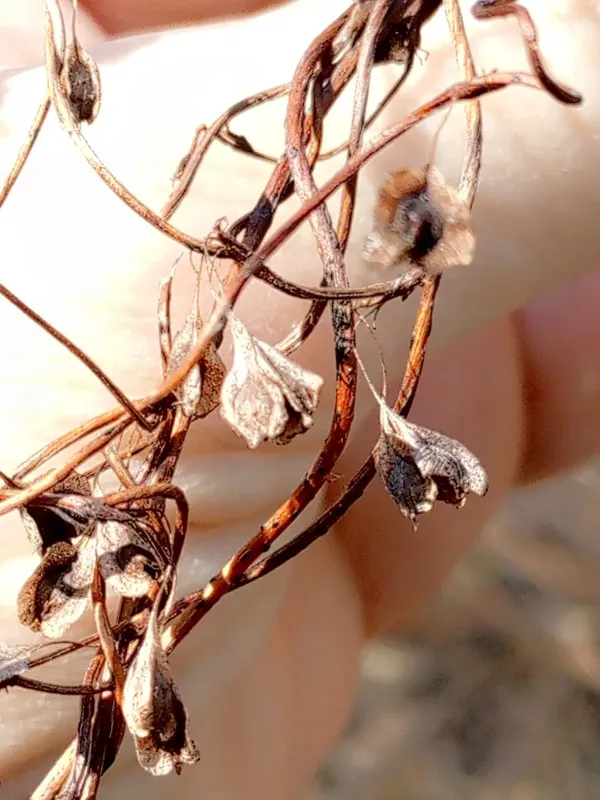
Its flowers are small, greenish-white, and arranged in loose racemes in the leaf axils. After flowering, the perianth enlarges and develops wings, which aid in the dispersal of the fruit.
The fruit is a black, three-sided nutlet with a shiny surface. The plant is highly productive, producing a large number of seeds that can remain viable in the soil for several years.
Biologically, it is classified as an early spring annual weed that emerges alongside cultivated crops, competing with them throughout their developmental stages.
Where it grows
Black bindweed is widely distributed in cereal crops, row crops, and vegetable gardens. It thrives in fertile, well-moistened soils and is frequently found along field margins, fence lines, and shelterbelts.
The weed often invades fields with loose soil structure. Thanks to its twining habit, it can quickly occupy empty spaces in agroecosystems, competing with crops for sunlight and space.
It is particularly problematic in winter cereal fields, where its growth cycle aligns perfectly with the crop. It is also commonly found in orchards and vineyards where soil is less frequently disturbed.
Seed dispersal occurs via wind, water, and contamination of crop seeds. Its high adaptability allows it to persist in various agricultural environments, from irrigated plots to dryland farming.
The weed often emerges in early spring, creating significant pressure on spring crops before they have fully established their canopy.
Harm it causes
The primary damage caused by black bindweed is its ability to shade out crop plants. By twining around cereal stems, it leads to lodging, which severely hampers harvest efficiency and causes yield losses.
It acts as a strong competitor for soil moisture and nutrients, depleting resources that would otherwise support crop growth. High infestations can lead to significant reductions in total crop yield.
In row crops, black bindweed forms dense mats of tangled stems that obstruct inter-row cultivation and interfere with the uniform application of fertilizers and protective chemicals.
The presence of this weed creates difficulties during mechanical harvesting, as the tangled vines can clog harvesting equipment, increasing downtime and labor costs.
Furthermore, contaminated harvests have lower market quality due to weed seed presence, necessitating expensive post-harvest cleaning and processing stages to meet industry standards.
How to control
Effective management of black bindweed relies on a well-planned crop rotation strategy. Rotating broad-leaved crops with cereals helps disrupt the weed's lifecycle and prevents seed bank buildup.
Agronomic methods include thorough primary and pre-sowing soil tillage. Deep plowing helps bury seeds at depths that inhibit successful germination, reducing the number of emerging weeds.
Timely inter-row cultivation in row crops is essential for removing seedlings before they reach the twining stage. This practice also improves soil aeration and water retention.
Chemical control involves the application of selective systemic herbicides. The most effective results are achieved when weeds are treated at the seedling stage (2-4 true leaves) before they become hardy.
Strict monitoring and the use of clean, certified seeds are crucial for preventing the introduction of black bindweed into non-infested fields. Early detection and localized control can prevent widespread infestation.
Taxonomy
- Latin name
- Fallopia dumetorum
- Family
- Гречишные
- EPPO code
- BIKDU