
Koenigia rumicifolia
Koenigia rumicifolia
Description
How to tell it apart
Koenigia rumicifolia is a perennial herbaceous plant belonging to the Polygonaceae family, recognized as a significant weed in various agricultural ecosystems.
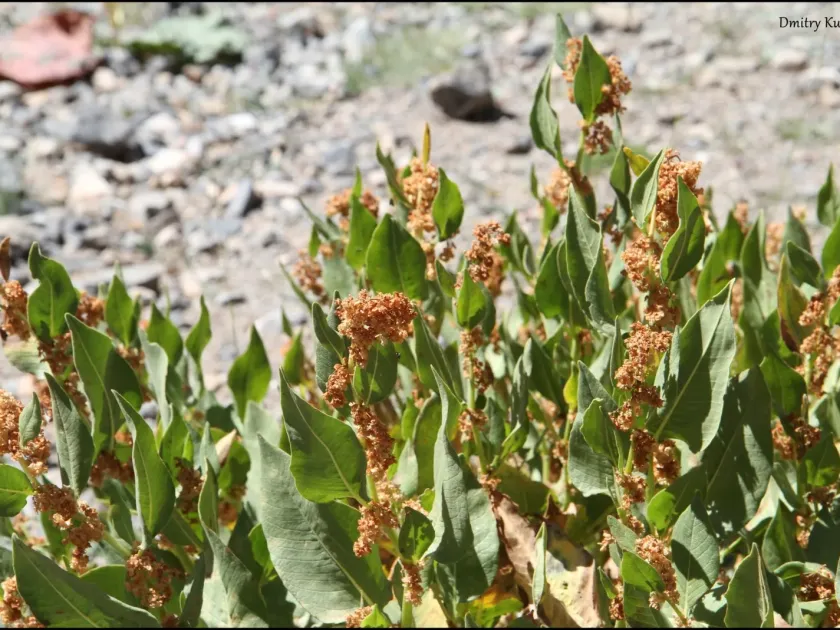
The plant features upright, branched stems that can reach heights of 30 to 80 cm, with simple, alternate leaves that often have an elongated, lanceolate shape.
A distinctive botanical feature is the presence of ocrea, which are thin, papery sheaths at the base of the leaves that wrap around the stem, typical of the family.
The inflorescences consist of small, greenish-white flowers organized in terminal panicles or spikes that appear during the mid-to-late summer months.
Its root system is robust and persistent, allowing the plant to thrive in competitive environments and recover quickly from mechanical disturbances.
Where it grows
This weed primarily inhabits moist and poorly drained soils, often colonizing low-lying areas, ditches, and land adjacent to water bodies.
In agricultural settings, it becomes particularly problematic in fields with stagnant water or inadequate drainage systems that persist after heavy rainfall.
It frequently infests fallow lands, row crops, and cereals, where moisture-rich environments support its aggressive vegetative expansion.
The plant is highly adaptable and can establish dense colonies, effectively outcompeting other local vegetation for light and space.
Dissemination often occurs through the movement of rhizome fragments by farming machinery, facilitating the spread of the weed between cultivated blocks.
Harm it causes
The primary damage caused by this weed is the intense competition for soil nutrients, which directly impacts the vigor and yield of agricultural crops.
By producing a large amount of leafy biomass, the plant casts significant shade, hindering the photosynthesis of crop seedlings during critical growth stages.
It acts as a host for various pests and pathogens, increasing the risk of disease outbreaks within the main crop and complicating pest management efforts.
The presence of dense weed patches during harvest creates physical obstacles, potentially clogging harvesting equipment and slowing down operations.
Contamination of grain harvests with weed parts reduces the quality and market value of the crop, necessitating extra processing and cleaning efforts.
How to control
Effective management requires a combination of agricultural practices, focusing primarily on improving soil drainage to remove moisture conditions favored by the weed.
Deep plowing and timely cultivation are essential for weakening the root system and preventing the plant from developing deep, established rhizomes.
Crop rotation programs should prioritize competitive crops that can shade out the weed and limit its ability to re-establish after initial control measures.
Chemical control involving systemic herbicides is recommended during the active growth phase, targeting the plant before it sets mature seeds.
- Glyphosate application on fallow ground for total vegetative destruction.
- Selective herbicides for use in cereal crops to suppress growth.
- Spot-spraying of localized patches to prevent further spread of the weed.
Taxonomy
- Latin name
- Koenigia rumicifolia
- Family
- Гречишные
- EPPO code
- AQGRU