
Phyllanthus amarus
Phyllanthus amarus
Description
How to tell it apart
Phyllanthus amarus is a member of the Phyllanthaceae family. It is an annual herbaceous plant that is often mistaken for species in the Euphorbiaceae family due to the similar structure of its leaves and stems.
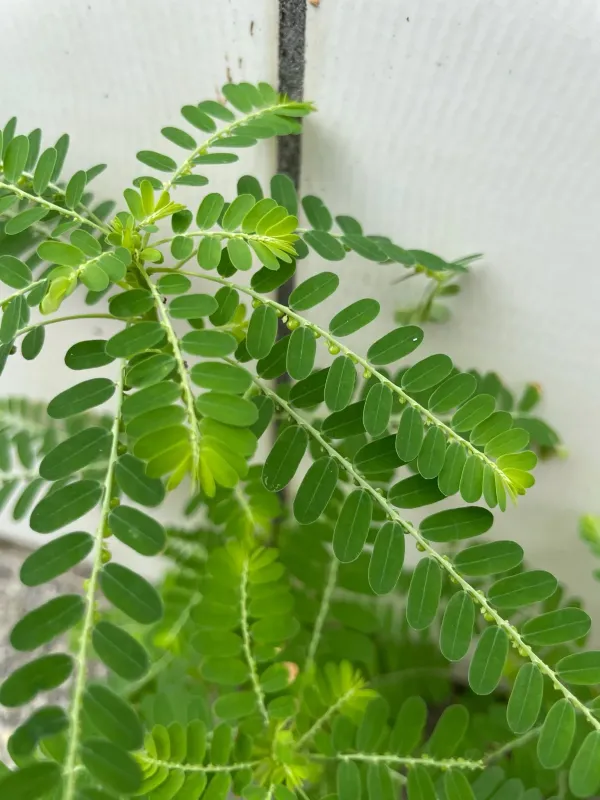
The stem is typically erect, reaching 30–60 cm in height, and is often branched near the base. The leaves are small, elliptical, and arranged in two rows on slender branchlets, giving them the appearance of compound pinnate leaves.
A key identification feature is the small, yellowish-green flowers that hang beneath the leaflets on short stalks. The fruits are smooth, spherical capsules arranged along the underside of the branches.
The plant has a well-developed taproot system, which allows it to efficiently utilize moisture even during periods of short-term drought. The weed grows rapidly once temperatures become favorable for its development.
Seedlings usually emerge later in the season when the soil is well-warmed. The plant has a short life cycle, which allows it to produce seeds within a single growing season before the first frosts.
Where it grows
This heat-loving plant is widely distributed in tropical and subtropical regions. In temperate latitudes, it is often found as an invasive species in greenhouses or protected garden areas.
Phyllanthus amarus prefers moist, fertile soils and often colonizes loose substrates, riverbanks, and roadsides. It shows high aggressiveness in fallow or uncultivated lands.
In agricultural systems, this weed is most problematic for row crops such as corn, soybeans, and cotton. It is frequently found in fields with intensive irrigation, where high humidity promotes its rapid spread.
The plant adapts well to various crop rotation systems and quickly invades empty plots after the main crops have been harvested. High seed production capacity contributes to its rapid spread to new territories.
The appearance of Phyllanthus in fields is often linked to the use of contaminated seeds or organic fertilizers containing weed residues.
Harm it causes
The primary harm caused by Phyllanthus is intense competition with crops for nutrients and sunlight. Due to its rapid growth, it can significantly suppress crop seedlings during early development stages.
The weed actively absorbs moisture from the root zone, which is critical for yields during dry spells. In areas with high weed density, yield losses can be substantial.
Phyllanthus amarus can serve as a reservoir for various viral and fungal diseases that affect agricultural crops. Its presence complicates phytosanitary management and increases crop protection costs.
The presence of this weed interferes with mechanized field operations, complicating crop maintenance. Furthermore, the small seeds of Phyllanthus can contaminate the harvested yield, reducing its commercial quality.
The intensive development of the weed's root system leads to soil depletion, requiring additional investment in mineral nutrition for subsequent crops.
How to control
Agrotechnical control measures include deep autumn plowing, which buries seeds at depths that prevent germination. Regular inter-row cultivation effectively destroys young plants before they mature.
Timely weeding before the onset of flowering is critical, as Phyllanthus can produce multiple generations of seeds per season. Manual weeding is effective in small areas or home gardens.
Chemical control involves the use of pre-emergence herbicides that create a protective screen against germinating seeds. For emerged weeds, systemic herbicides are often used according to local crop protection protocols.
When choosing herbicides for row crops, it is essential to use selective products that suppress the weed without causing phytotoxicity to the primary crop.
- Implementation of crop rotation including crops that suppress weeds.
- Use of certified and clean seed materials.
- Maintaining optimal crop density to increase competitive ability.
- Thorough cleaning of agricultural machinery after working in infested fields.
Taxonomy
- Latin name
- Phyllanthus amarus
- Family
- Филлантовые
- EPPO code
- PYLAM