

Weed · affects Common poppy, Common sunflower, Ivy-leaved speedwell
Stachys arvensis
Stachys arvensis
Description
How to tell it apart
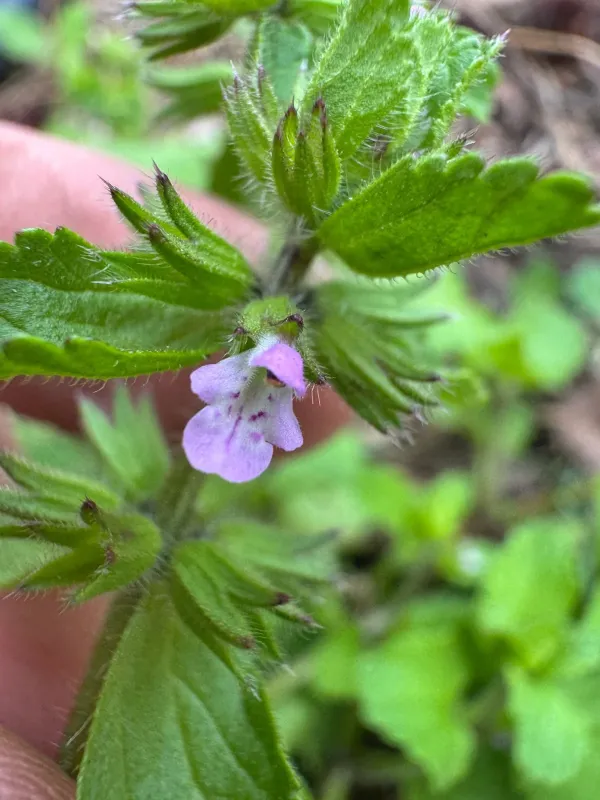
Stachys arvensis, commonly known as field woundwort, is an annual herb belonging to the Lamiaceae (mint) family, frequently found in cultivated lands.
The plant features a square-shaped stem that is often procumbent or ascending, growing to a height of 10 to 40 cm, and covered in fine, soft hairs.
Its leaves are opposite, heart-shaped or ovate, with crenate margins. These features are essential for distinguishing it from other similar weed species in the field.
The flowers are arranged in false whorls in the leaf axils, usually small, light pink or whitish, making the plant inconspicuous during early growth stages.
It reproduces solely by seeds, which are dispersed easily and can remain viable in the soil seed bank for several years, creating long-term infestation risks.
Where it grows
This weed prefers light-textured soils, particularly sandy or loamy soils, where moisture is available but drainage is relatively efficient.
It is commonly found in arable fields, gardens, and neglected agricultural land, often thriving in areas where soil cultivation is infrequent or poorly timed.
Stachys arvensis is highly adaptable and can colonize various environments, including road verges and areas adjacent to productive farmland.
In cropping systems, it particularly plagues row crops and cereal fields where competition for resources like light and nutrients is critical during the spring.
The plant thrives in regions with temperate climates, taking advantage of open soil patches after harvest or during early tillage operations.
Harm it causes
The primary damage caused by Stachys arvensis is the competition for water and soil nutrients, which directly stunts the growth and yield of primary crops.
Because it grows in patches, it can rapidly shade out young crop seedlings, particularly in the early stages of the growing season.
The presence of this weed creates obstacles for mechanical field operations, necessitating extra passes or more frequent maintenance to manage infestation levels.
By competing for resources, it weakens crop plants, making them more susceptible to subsequent attacks by pests or diseases common in the area.
Contamination of the harvest with weed seeds can lead to significant quality deductions in grains or produce, necessitating expensive cleaning processes.
How to control
Effective management requires a combination of tillage practices and chemical control to deplete the soil seed bank and prevent new seed formation.
Primary tillage, such as deep plowing, is effective at burying seeds to depths where they are unable to germinate successfully during the crop season.
Chemical control involves the application of selective herbicides during the early stages of weed growth, particularly when the plant has 2-4 true leaves.
- Frequent inter-row cultivation for row-grown crops.
- Timely use of systemic herbicides registered for broadleaf weeds.
- Implementing crop rotation to disrupt the life cycle of the weed.
Since the plant is a prolific seed producer, it is vital to prevent it from reaching the flowering stage, ensuring that all control measures are implemented timely.
Content graph
Connections · Stachys arvensis
Most often together:
Marketplace
Products · 2
Biology
Taxonomy
- Latin name
- Stachys arvensis
- Family
- Яснотка пурпурная
- EPPO code
- STAAR