
Silphium
Silphium
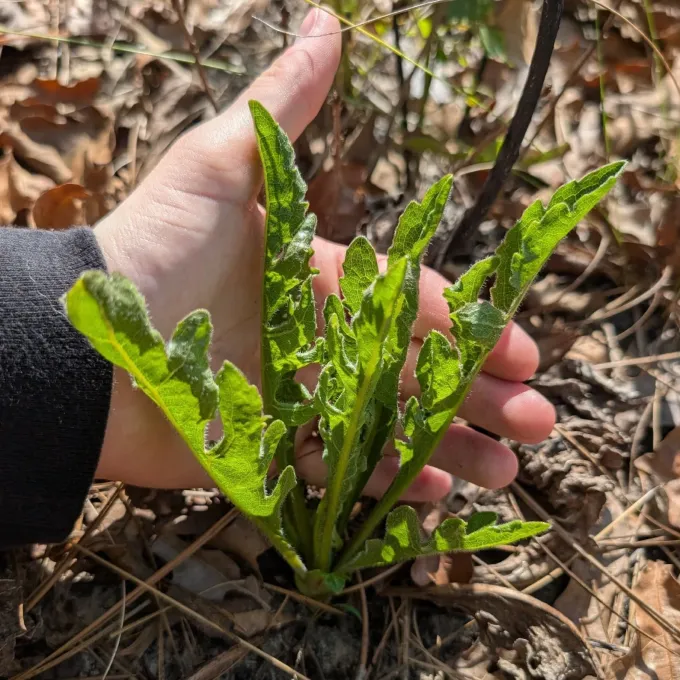
Description
How to tell it apart
Silphium (genus Silphium) is a member of the Asteraceae family. These are perennial herbaceous plants characterized by a robust root system and tall, upright stems that can reach significant heights.
The leaves of Silphium are usually arranged oppositely or alternately; they are large, rigid, and often rough to the touch, which is a key morphological trait for distinguishing this genus.
The flowers are arranged in yellow, sunflower-like heads. The blooming period occurs in the second half of summer, making the plants highly visible among other crops.
The plant possesses a high regenerative capacity. Even if the above-ground part is damaged, it can recover quickly using stored nutrients in its extensive rhizome system.
Silphium seeds are adapted for wind dispersal, which facilitates the rapid colonization of new areas in agricultural fields and surrounding wildlands.
Where it grows
Silphium is typically found in fertile, moist soils, often occurring along forest edges, road embankments, and abandoned agricultural lands where competition is lower.
In agro-ecosystems, it can infest perennial grass fields and row crops, frequently outcompeting other species due to its vigorous growth and rapid establishment.
Its biological traits allow it to adapt to various soil types, including heavy clays where other weed species may grow at a slower rate.
Vegetative reproduction through root fragments, which are spread by soil cultivation equipment, contributes significantly to its ability to form dense patches.
Under intensive farming conditions, Silphium tends to migrate from uncultivated buffer zones into primary crop fields, creating persistent infestations.
Harm it causes
The primary damage caused by Silphium is its high competitive ability. It actively absorbs moisture and soil nutrients, significantly reducing the availability of these resources for the crops.
Due to its height and dense foliage, Silphium causes severe shading, which inhibits photosynthesis in surrounding crops and reduces their total biomass yield.
The presence of this weed complicates mechanical operations, including harvesting, as its tough stems interfere with machinery and increase fuel consumption.
Silphium can act as a reservoir for various pests and pathogens, providing a habitat that allows them to spread to commercial crops and affect their health.
In forage production, the presence of Silphium degrades the quality of hay and silage, as its coarse stems are generally unpalatable to livestock.
How to control
Effective management begins with mechanical removal. Regular deep plowing that turns the soil helps to deplete the energy reserves in the rhizomes and hinder regrowth.
Integrating a proper crop rotation strategy is essential. Planting crops that form a dense canopy can effectively shade out Silphium seedlings and reduce their population density.
Systemic herbicide application is most effective during the rosette stage or before flowering, when the plant is actively translocating nutrients down to the root system.
- Deep tillage and discing in autumn to destroy rhizome networks.
- Application of systemic herbicides in fallow fields to eliminate established patches.
- Timely mowing before seed set to prevent the expansion of the seed bank.
- Cleaning equipment between fields to avoid transporting root fragments.
Maintaining clean field borders and managing surrounding areas is crucial to preventing the re-introduction of Silphium seeds into the production zone.
Taxonomy
- Latin name
- Silphium
- Family
- Сложноцветные (астровые)
- EPPO code
- SIPSS