
Sticky cudweed
Pseudognaphalium viscosum
Description
How to tell it apart
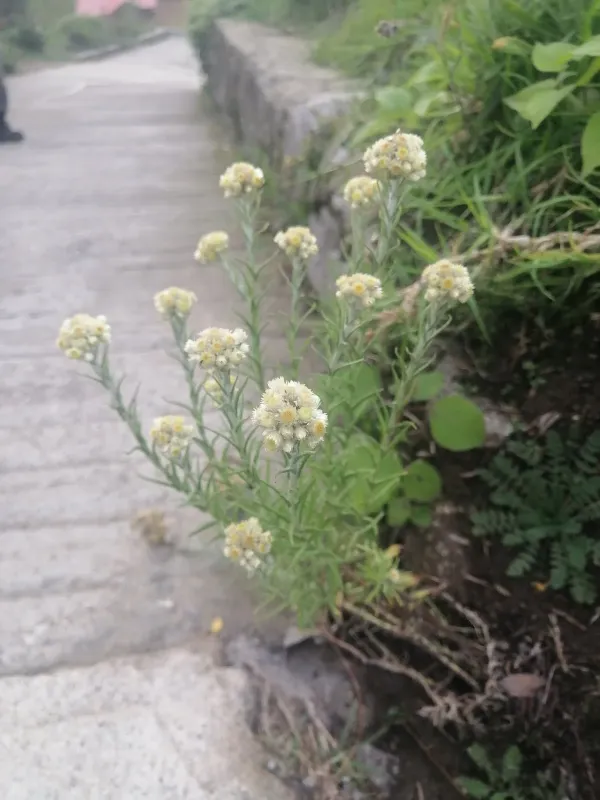
Sticky cudweed (Pseudognaphalium viscosum) is a member of the Asteraceae family. It is a herbaceous plant distinguished by glandular hairs that make its surface sticky to the touch.
The plant features narrow, grayish-green leaves and yellow flower heads arranged in clusters. This sticky coating helps the plant retain moisture, allowing it to thrive in arid conditions.
Its life cycle usually spans several seasons, with a robust taproot system that ensures structural stability and nutrient uptake even in poor soil conditions.
Reproduction is primarily through wind-dispersed seeds, which possess a pappus that facilitates wide-area colonization.
The distinct resinous odor and sticky texture are the most reliable morphological features for field identification of this species.
Where it grows
This weed is commonly found in disturbed habitats, including fallow fields, roadsides, and abandoned industrial sites where vegetation cover is sparse.
In agricultural settings, it frequently colonizes field margins and areas with poor soil management, potentially encroaching into row crops.
Harm it causes
The primary damage is caused by competition with crops for light, water, and nutrients, which can lead to significant yield loss in infested patches.
The plant's resinous nature can interfere with harvesting machinery and may harbor pests that potentially migrate to adjacent valuable crops.
How to control
Effective management requires a combination of cultural practices and chemical control strategies tailored to the plant's growth stage.
Cultural control involves mechanical disturbance, such as regular tillage or mowing, to prevent seed production and deplete the soil seed bank.
- Deep plowing to bury seeds and disrupt root growth.
- Application of post-emergence herbicides during the active growth phase.
- Monitoring field perimeters to prevent spread into cultivated areas.
Taxonomy
- Latin name
- Pseudognaphalium viscosum
- Family
- Сложноцветные (астровые)
- EPPO code
- QGPVI