
Pectis ciliaris
Pectis ciliaris
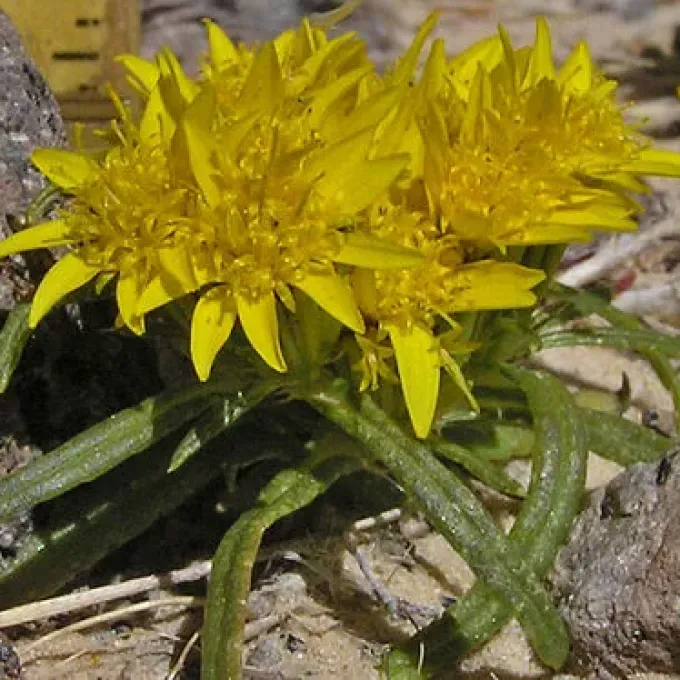
Description
How to tell it apart
Pectis ciliaris is an annual herbaceous weed belonging to the Asteraceae family, typically characterized by its low-growing, branched habit.
The defining feature of this species is the presence of fine cilia (hairs) along the margins of its leaves, which provides the inspiration for its scientific name.
The stems of the plant are adorned with minute glandular dots, which are easily visible under close inspection and serve as a reliable diagnostic trait.
It produces small, yellow-flowered heads that are capable of developing significant quantities of seeds even under stress conditions.
Its root system is fibrous and shallow, allowing it to quickly absorb moisture and nutrients from the topsoil immediately after rainfall.
Where it grows
Pectis ciliaris is predominantly found in tropical and subtropical climates, thriving in disturbed soils across the Americas and the Caribbean.
This weed frequently colonizes agricultural fields, specifically targeting row crops such as soybeans, corn, and vegetable plantations.
It is often seen along field edges, pathways, and in fallow lands where sunlight availability is high and competition from taller plants is absent.
Irrigated agricultural systems provide an ideal environment for this species, leading to dense infestations that can rapidly spread throughout the farm.
The species demonstrates high adaptability to various soil types, provided they are not excessively shaded, as it is a highly light-demanding plant.
Harm it causes
The primary damage caused by Pectis ciliaris is the direct competition with crops for essential light, water, and soil nutrients during critical growth stages.
By establishing itself early in the season, the weed significantly stunts the development of crop seedlings, leading to reduced overall yield potential.
The rapid seed production and high germination rates lead to a persistent soil seed bank that challenges long-term agricultural management.
Infestations increase the complexity of field operations, as the weed can interfere with mechanical cultivation and harvest logistics.
Furthermore, Pectis ciliaris may serve as a secondary host for various insects and pathogens that threaten the health of primary cash crops.
How to control
Managing Pectis ciliaris requires an integrated approach that combines preventive practices, strategic tillage, and chemical interventions.
Crop rotation remains the most effective preventive measure, as it disrupts the life cycle of the weed and reduces the reliance on repetitive chemical applications.
Mechanical cultivation between crop rows effectively eliminates young seedlings before they reach the reproductive stage and produce new seeds.
Chemical control involves the application of selective herbicides targeted at broadleaf weeds, carefully timed to match the crop's growth stage.
- Ensure equipment is cleaned to prevent the spread of weed seeds between fields.
- Utilize cover crops to outcompete and shade out light-dependent seedlings.
- Prioritize the use of certified, clean crop seeds to minimize the risk of new infestations.
Taxonomy
- Latin name
- Pectis ciliaris
- Family
- Сложноцветные (астровые)
- EPPO code
- PCSCI