
Bitterweed
Hymenoxys odorata
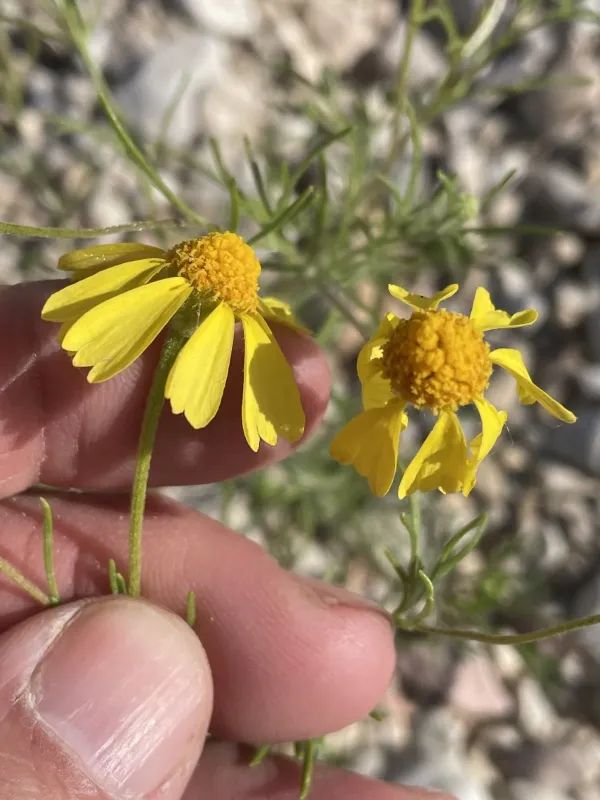
Description
How to tell it apart
Bitterweed (Hymenoxys odorata) is a toxic annual herb belonging to the Asteraceae (sunflower) family.
The plant grows to a height of 20 to 60 centimeters with a distinctively branched, upright stem structure.
Leaves are narrow and alternate along the stem, often displaying a divided appearance that helps in early identification.
It produces numerous small yellow flower heads at the ends of its branches during the peak of its growth season.
The name "bitterweed" is derived from its pungent odor and bitter taste, which serve as a warning mechanism against many herbivores.
Where it grows
Native to North America, the plant is primarily found in the southwestern United States and throughout northern Mexico.
It thrives in disturbed environments, including overgrazed pastures, along roadsides, and in fallow agricultural fields.
Bitterweed is well-adapted to arid and semi-arid conditions, favoring sandy or rocky soils where competition for moisture is limited.
It exploits gaps in vegetation caused by overgrazing or poor range management to establish dense colonies.
The plant's ability to withstand drought gives it a significant competitive advantage over native forage grasses in dry climates.
Harm it causes
The primary concern regarding Bitterweed is its severe toxicity to livestock, specifically sheep and goats.
It contains sesquiterpene lactones that cause severe digestive system damage and liver dysfunction in poisoned animals.
Clinical signs of poisoning include weakness, weight loss, loss of appetite, and significant mortality rates in affected flocks.
Beyond its toxicity, the weed reduces the overall quality of forage and the economic value of grazing land by displacing beneficial species.
In field crops, it consumes valuable soil moisture and nutrients, which can suppress the growth of cultivated plants during dry cycles.
How to control
Effective management begins with proper range stewardship, such as avoiding overgrazing to ensure that forage grasses remain dominant.
Mechanical control involves mowing or hand-pulling the weeds before they reach the flowering stage to prevent seed dispersal.
Herbicides are a viable control strategy, specifically using selective products labeled for broadleaf weed control in pastures or specific crops.
Monitoring programs are essential to detect and eradicate small infestations before they expand into widespread dense patches.
- Implementing rotational grazing to prevent pasture over-exploitation.
- Utilizing chemical treatments during the early rosette stage.
- Maintaining healthy perennial grass cover to outcompete weed seedlings.
Taxonomy
- Latin name
- Hymenoxys odorata
- Family
- Сложноцветные (астровые)
- EPPO code
- HYXOD