
Rattlesnake hawkweed
Hieracium venosum
Description
How to tell it apart
Rattlesnake hawkweed (Hieracium venosum) is a perennial herbaceous plant belonging to the Asteraceae family. It is a rhizomatous weed that spreads through both seed production and vegetative growth.
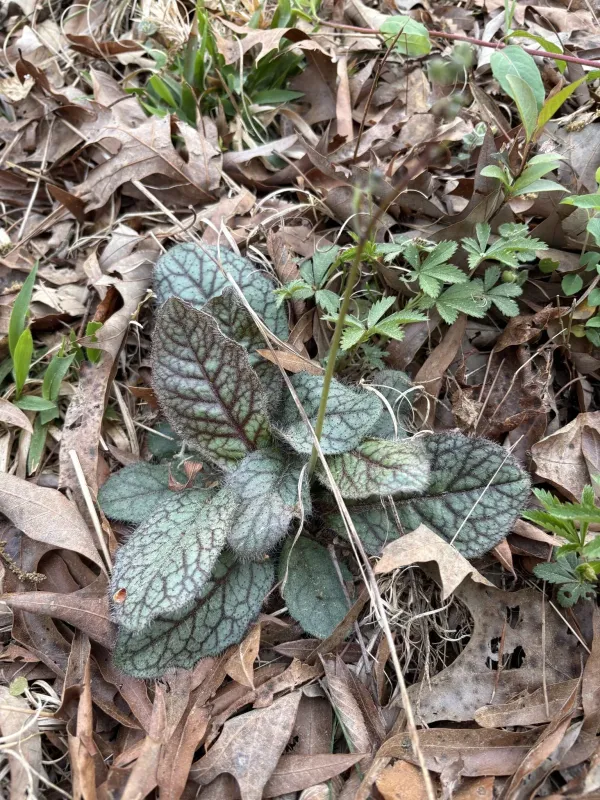
The plant is easily recognized by its basal rosette of leaves, which feature distinct dark purple or reddish veins creating a network pattern, resembling snake skin marks.
The flowering stems are thin, erect, and grow up to 50 centimeters in height. They terminate in small, bright yellow flower heads that resemble common dandelions but are significantly smaller.
The root system consists of fine rhizomes that allow the plant to colonize soil quickly, forming dense mats that exclude other vegetation and compete for space.
Like many species in the genus, the seeds have a feathery pappus, enabling them to be carried by the wind over long distances, which facilitates rapid spread across fields.
Where it grows
Rattlesnake hawkweed prefers well-drained, acidic, and sandy soils. It is commonly found in open forests, clearings, and areas with disturbed soil structures.
In agricultural settings, it frequently invades pastures, perennial meadows, and orchard areas where soil tillage is infrequent, allowing the plant to establish itself.
It thrives in low-fertility soils where competition from high-yield crops is minimal, making it a persistent nuisance in neglected plots or reclaimed agricultural land.
The plant is highly adaptable to various moisture conditions, frequently colonizing dry hillsides, field edges, and along drainage ditches where it acts as a reservoir for further infestation.
Its ability to tolerate acidic environments makes it particularly problematic in agricultural regions with poor soil quality, where it can dominate the local vegetation.
Harm it causes
The primary damage caused by rattlesnake hawkweed is its aggressive competition with crops for water, nutrients, and sunlight, leading to significant yield reductions.
The plant exhibits allelopathic effects, releasing chemicals into the soil that inhibit the germination and growth of neighboring beneficial crops, effectively creating a sterile zone for other plants.
In pasture land, the weed reduces the overall forage quality as it is generally unpalatable to livestock, which may lead to selective grazing and further expansion of the weed.
Dense colonies of the plant can increase maintenance costs for machinery, as the stems and foliage can clog harvesting equipment during the collection of forage crops.
Persistent infestations can lead to long-term changes in the botanical composition of meadows, reducing the diversity and nutritional value of the land for agricultural use.
How to control
Effective management includes deep plowing and regular soil cultivation to destroy the rhizome network and prevent the plant from establishing a firm foothold in the field.
Mowing or cutting the stems before the flowering stage is essential to prevent seed dispersal, which is critical for limiting the expansion of the weed population.
Establishing competitive ground cover, such as dense grass seeding or legume crops, helps to shade out the weed and limit its access to the sunlight required for growth.
Chemical control can be achieved using systemic herbicides applied to the rosette stage, though it is necessary to select agents that do not damage the intended crop species.
Maintaining soil fertility through liming can alter the soil pH to a range less favorable for rattlesnake hawkweed, thereby reducing its competitive advantage over other crops.
Taxonomy
- Latin name
- Hieracium venosum
- Family
- Сложноцветные (астровые)
- EPPO code
- HIEVE