
Gnaphalium collinum
Gnaphalium collinum
Description
How to tell it apart
Gnaphalium collinum is a herbaceous plant belonging to the Asteraceae family, characterized by its distinctive woolly appearance which provides protection against environmental stress.
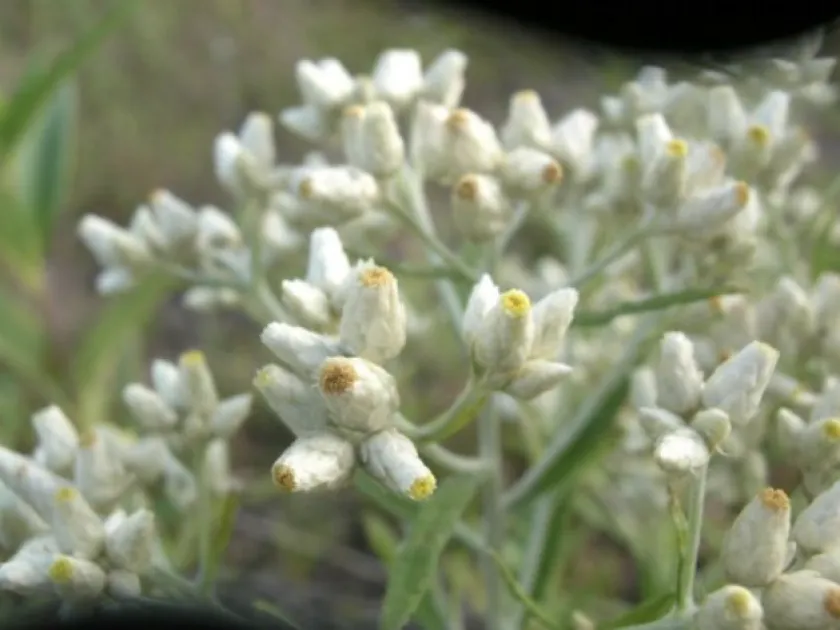
The plant features a stem covered with dense, white to grayish tomentose hairs, giving it a felt-like texture that is a key diagnostic feature for field identification.
Its leaves are arranged alternately along the stem, usually lanceolate to oblong in shape, with the underside often appearing lighter due to the density of the indumentum.
The inflorescence consists of small flower heads gathered into dense spikes or terminal clusters, which typically display a subtle yellowish or brownish coloration.
With a relatively simple taproot system, the plant is well-adapted to surviving in competitive environments where resources like water are intermittently available.
Where it grows
This weed thrives in open, sunny locations and is frequently found in dry meadows, pastures, and on degraded soils with low nutrient profiles.
In agricultural settings, Gnaphalium collinum often infiltrates winter cereal fields, where it emerges as an early season competitor during the crop's establishment phase.
It readily colonizes disturbed land, fallow fields, and roadsides, spreading its seeds over wide areas through wind dispersal mechanisms during the maturity phase.
The plant shows a high tolerance for varying soil types, ranging from sandy to loamy textures, often appearing where cultural practices are less intensive.
Large patches can develop in fields with poor rotation practices, where the lack of aggressive tillage allows the weed to establish deep roots and seed banks.
Harm it causes
The primary harm caused by Gnaphalium collinum is the aggressive competition with crops for light, nutrients, and soil moisture, which limits potential yield.
By crowding out desirable seedlings during the early stages of growth, it significantly reduces the overall vigor and plant density of the cultivated crop.
The presence of dense weed foliage at harvest time can complicate mechanical operations, potentially increasing the moisture content of the harvested yield.
It acts as a reservoir for certain pests and diseases, creating a biological bridge that can facilitate the spread of infections to neighboring crops.
Continuous presence in pasture or field edges degrades the nutritional quality of the vegetation, often replacing beneficial species with less productive plant material.
How to control
Effective management begins with mechanical soil preparation, such as deep plowing, which serves to bury seeds and prevent their germination in the topsoil layer.
Adopting a diversified crop rotation plan is essential to disrupt the life cycle of the weed and minimize the accumulation of seeds in the field soil bank.
Timely harrowing of the fields during the early stages of weed emergence provides a highly effective, non-chemical way to suppress the development of new infestations.
Chemical control options include the targeted application of broad-spectrum or selective herbicides registered for use in specific cereal or row crops.
- Ensure the use of weed-free, certified seeds for planting.
- Implement regular mechanical control on field borders and headlands.
- Strict adherence to herbicide application rates as per local regulations.
Taxonomy
- Latin name
- Gnaphalium collinum
- Family
- Сложноцветные (астровые)
- EPPO code
- GNACO