
Joe-Pye weed
Eutrochium purpureum
Description
How to tell it apart
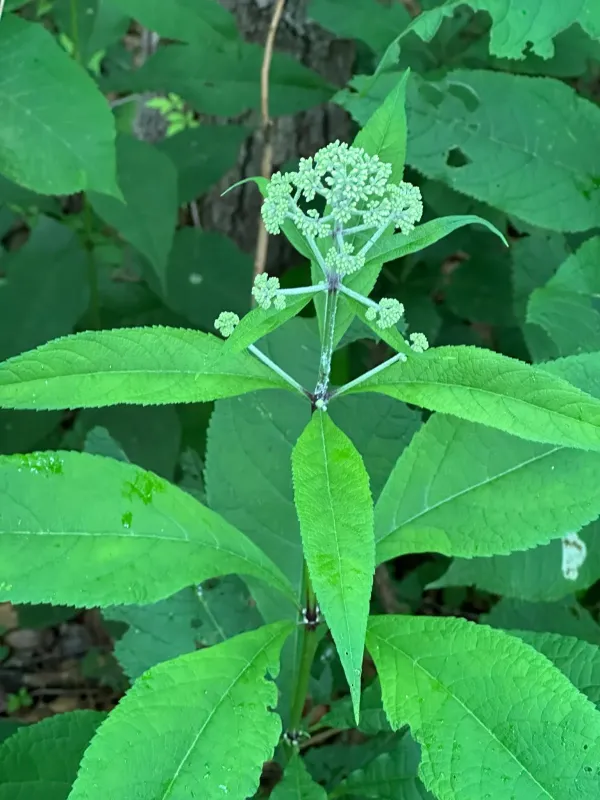
Joe-Pye weed (Eutrochium purpureum) is a tall perennial herbaceous plant belonging to the Asteraceae family. It is characterized by sturdy, purplish stems that can grow up to 2 to 2.5 meters in height, making it a highly visible weed in fields.
The leaves are lanceolate to ovate, with serrated margins, and are arranged in whorls of 3 to 5 around the stem. This whorled leaf structure is a key identifier for the species during the vegetative stage of growth.
The plant produces large, terminal inflorescences composed of numerous small, pinkish-purple or lilac-colored flower heads. The flowering period typically occurs from mid-summer to early autumn, attracting various pollinators.
The seeds are achenes equipped with a pappus, which facilitates wind dispersal over large distances. The root system is perennial and consists of a thick, branched rhizome that allows the plant to survive harsh winter conditions.
Biologically, it is a persistent, rhizomatous perennial that thrives in stable environments but can rapidly colonize disturbed areas if moisture levels are sufficiently high.
Where it grows
Joe-Pye weed is naturally adapted to moist environments, including riparian zones, wetlands, and damp meadows. It prefers nutrient-rich, moist soils and is frequently found in areas with high water tables.
In agricultural settings, it often invades pastures, perennial forage crops, and field margins. It is particularly problematic in areas near drainage ditches, irrigation canals, or poorly drained low-lying sections of arable land.
The plant spreads into agricultural fields from adjacent natural habitats or unmaintained areas. Once established, the rhizomes allow it to persist despite standard tillage practices if the soil is not inverted correctly.
Its presence is often an indicator of high soil moisture or poor drainage conditions. Where these conditions exist, the plant can outcompete desirable forage species, leading to a shift in vegetation composition.
While less common in intensive, dry-land row crops, it remains a significant nuisance in meadows and reclaimed lands where soil disturbance is kept to a minimum.
Harm it causes
The primary damage caused by Joe-Pye weed is its aggressive competition for space and light. As a large, tall plant, it creates dense stands that shade out nearby crops, severely limiting their photosynthetic capacity.
The extensive root system aggressively extracts water and essential soil nutrients, depriving nearby crops of resources. This competition typically results in reduced biomass and lower overall yield for the cash crop.
If Joe-Pye weed is harvested along with forage, the nutritional quality of the hay is compromised. The plant's tough, fibrous stems are unpalatable to livestock and may reduce the value of the final feed product.
It acts as a host for various pathogens and pests, which can facilitate the spread of diseases to sensitive crops. This increases the complexity and cost of integrated pest management programs.
The physical presence of the plant interferes with agricultural operations. The tall, sturdy stems can clog machinery during harvesting, leading to increased wear and tear and slower processing times.
How to control
Managing Joe-Pye weed requires an integrated approach that focuses on depleting the root system's energy reserves and preventing seed dispersal. Tillage and mechanical destruction are effective first steps.
Regular mowing of infested areas before the plant reaches the flowering stage is crucial to prevent seed production and weaken the rhizomes. Repeated cutting forces the plant to exhaust its underground nutrient reserves.
Chemical control involving systemic herbicides, such as those based on glyphosate, is highly effective. Application is best timed during the active growth phase, as this ensures the chemical is translocated down into the rhizomes.
Selective herbicides can be employed in specific crop contexts to control the weed without damaging the main crop. Always follow label guidelines for specific dosage and application timing to maximize efficacy.
- Deep plowing to uproot and expose rhizomes
- Timely mowing to prevent seed bank replenishment
- Targeted application of systemic herbicides
- Improving field drainage to reduce suitable habitat
- Crop rotation to disrupt the weed's lifecycle
Taxonomy
- Latin name
- Eutrochium purpureum
- Family
- Сложноцветные (астровые)
- EPPO code
- EUPPU